
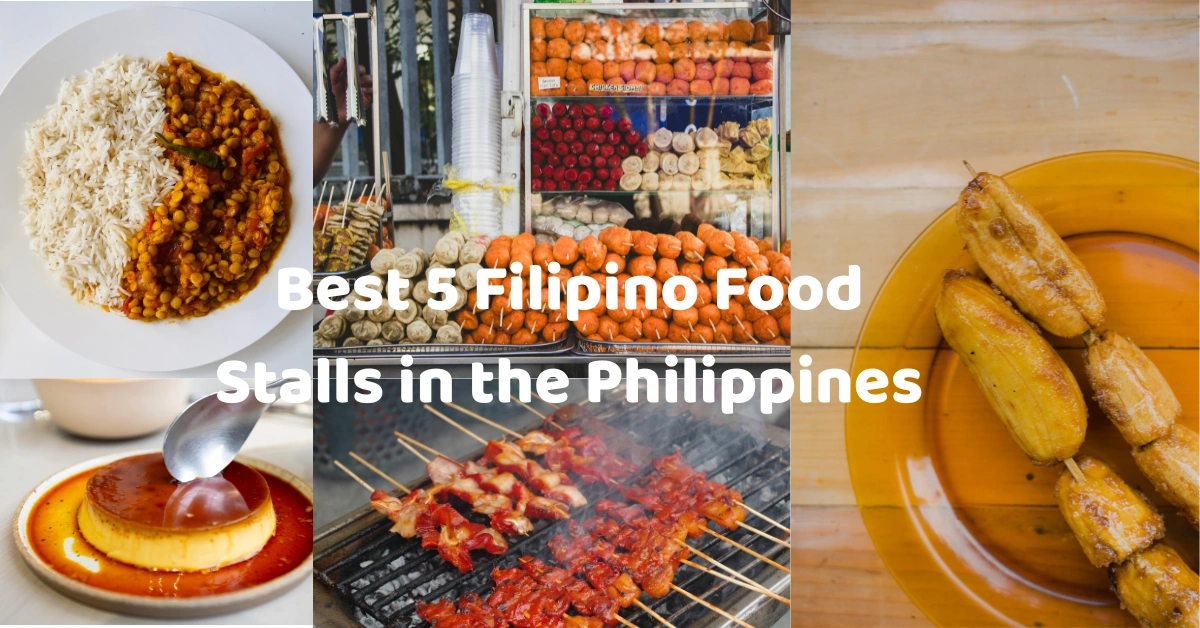
If you’re thinking about starting a food business in the Philippines, you don’t always need a full restaurant to get started. A well-planned food stall can be a more manageable way to enter the food business, especially if you choose the right product, location, pricing, and target market.
Food carts and stalls remain popular because they combine convenience, affordability, and familiar flavors. In fact, industry research continues to show growth in the Philippine foodservice market, while food cart businesses remain an accessible option for entrepreneurs.
And in 2026, Filipino food still has one major advantage: people already know and love it.
From kwek-kwek and barbecue to silog meals and halo-halo, Filipino food has a huge variety of flavors that can work well in a small stall or kiosk.
If you're looking for a food business idea this year, here are five Filipino food stall concepts worth considering in the Philippines in 2026.
Why Start a Filipino Food Stall in 2026?
One of the biggest advantages of a food stall is its flexibility.
You can operate in a mall, food court, public market, commercial area, school zone, office district, food park, or other high-traffic location. Depending on the concept, you may also be able to start with a relatively focused menu instead of investing in a large restaurant kitchen.
The Philippine foodservice industry continues to provide opportunities for small and independent operators. One 2026 market analysis estimates that independent outlets account for a significant share of the country's foodservice market.
Another advantage is the variety of Filipino food you can sell.
You don't necessarily have to compete with large restaurant chains. A small stall can succeed by focusing on one thing and doing it really well.
Think about the food stalls you see regularly. Sometimes the stall with only five or six items has a longer line than the one with 30 menu choices.
That's an important lesson for new entrepreneurs: simple doesn't mean boring.
Learn more about What a Food Stall is.
What Makes a Good Filipino Food Stall?
Before choosing a concept, there are a few things worth thinking about.
Location Matters
A great product in the wrong location can struggle.
For example, a rice meal stall may work better near offices or schools, while a snack stall could perform well in a busy transport area or food park.
Look at:
- Foot traffic
- Nearby businesses
- Schools and offices
- Competitors
- Rental costs
- Parking and accessibility
- Customer demographics
Don't choose a location simply because the rent is cheap. A cheaper location with very little foot traffic can end up costing you more in the long run.
Keep the Menu Focused
New food business owners sometimes make the mistake of trying to sell everything.
You don't need 50 products.
Start with a few strong products, identify your best sellers, and expand gradually.
A focused menu can also make inventory, preparation, training, and quality control easier.
Make Your Food Consistent
If a customer loves your barbecue today, they should still love it next week.
Consistency is one of the biggest factors in building repeat customers. Standardize your recipes, portion sizes, preparation methods, and serving procedures as much as possible.
Keep Prices Reasonable
Filipino consumers are often highly conscious of value.
That doesn't necessarily mean you need to be the cheapest stall around. Instead, customers should feel that they're getting good food for what they're paying.
Calculate your food costs carefully before setting your selling price.
There are other Food Stall Businesses like Beverage Stalls, and Fast-Food Stalls.
Best 5 Filipino Food Stalls in the Philippines 2026
1. Filipino Street Food Stall
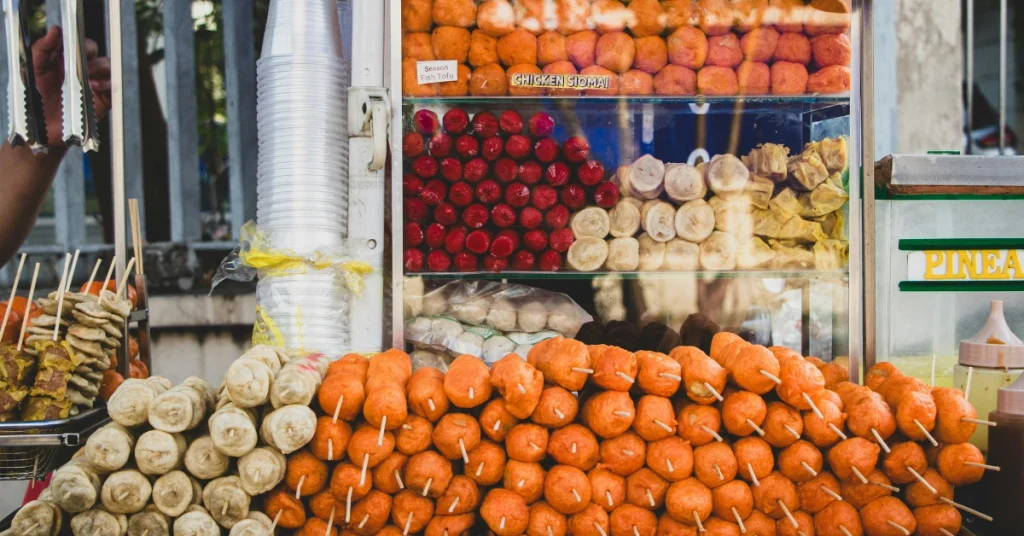
When talking about Filipino food stalls, street food is one of the first concepts that comes to mind.
Filipino street food has been part of everyday food culture for generations, and it remains attractive because the products are familiar, affordable, and easy to eat on the go.
Popular products include:
- Fish balls
- Squid balls
- Kwek-kwek
- Tokneneng
- Isaw
- Chicken skin
- Calamares
- Banana cue
- Camote cue
- Turon
The best part about this type of business is that you can build a concept around a relatively small selection of products.
For example, instead of selling every possible street food item, you could focus on fried snacks with different sauces.
You could also create combinations such as:
Kwek-kwek + fish balls + drink
or
Isaw + barbecue + rice
The goal is to make ordering easy and increase the average amount customers spend.
Why Street Food Can Be a Good Business
Street food works particularly well in locations where customers want something quick and affordable.
Potential locations include:
- Markets
- Transport terminals
- School areas
- Food parks
- Commercial streets
- Neighborhood centers
- Community events
Cleanliness is especially important for this type of business. A modern-looking, clean stall can help change the perception of street food and encourage customers who might otherwise be hesitant.
Food cart guidance published in 2026 also highlights location, quality, consistency, cleanliness, and cost management as important factors for food cart businesses.
2. Filipino Rice Meal Stall
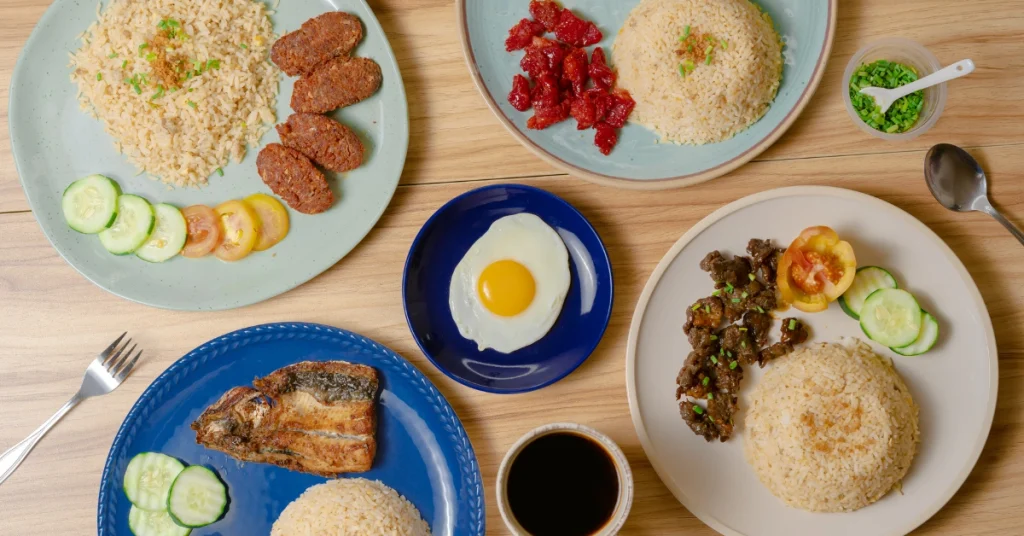
If you want a food stall that can serve customers looking for a more filling meal, consider a Filipino rice meal concept.
Rice is a staple for many Filipinos, so rice meals can work for breakfast, lunch, dinner, or even late-night customers.
Some popular options include:
- Tapsilog
- Longsilog
- Tocilog
- Bangsilog
- Pork barbecue with rice
- Chicken barbecue with rice
- Fried chicken with rice
- Adobo with rice
- Liempo with rice
You can also create your own signature combination.
For example, instead of simply selling tapsilog, you could offer a "house special" with your own sauce, egg preparation, and side dish.
Why Rice Meals Are Attractive
One advantage is that rice meals can have a relatively straightforward production process when properly planned.
You can prepare ingredients in advance, standardize portions, and build combinations around a small number of core ingredients.
The target market can also be broad.
A rice meal stall can appeal to:
- Students
- Office employees
- Construction workers
- Commuters
- Drivers
- Families
- Night-shift workers
The key is finding the right location and price point.
If your stall is near offices, for example, lunchtime speed becomes extremely important. Customers may only have a limited break, so they don't want to wait 20 minutes for a simple meal.
3. Filipino BBQ and Grilled Food Stall
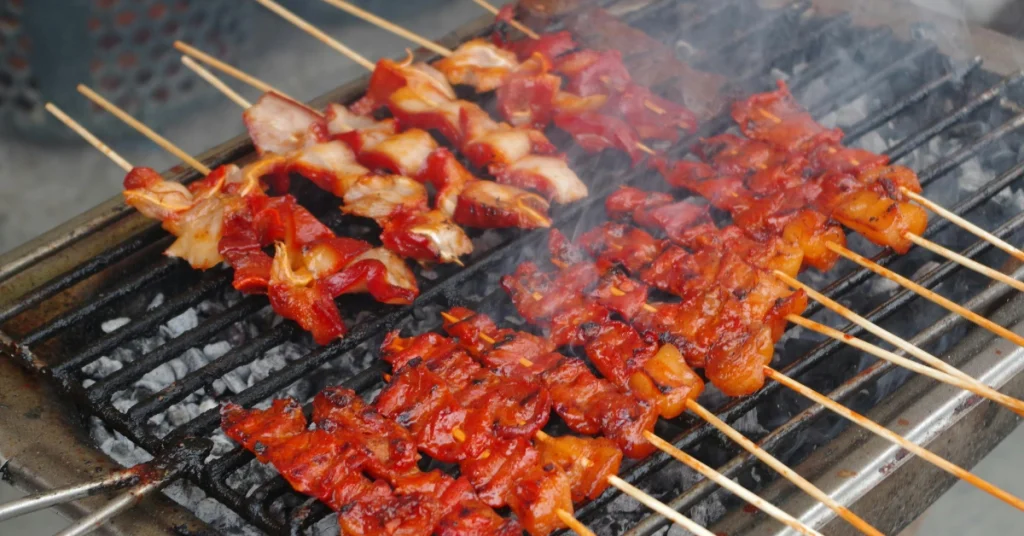
Filipino barbecue is another strong food stall concept because it combines familiar flavors with the appeal of freshly grilled food.
Some products you can offer include:
- Pork barbecue
- Chicken barbecue
- Liempo
- Isaw
- Grilled hotdog
- Grilled seafood
- Grilled vegetables
- Barbecue rice meals
You can sell them individually or create affordable meal combinations.
For example:
2 sticks barbecue + rice + drink
or
Chicken barbecue + rice + atchara
The smell of food being grilled can also work as a natural form of marketing. When people walk past a stall and smell freshly grilled barbecue, it can create an immediate craving.
What You Need to Watch
BBQ businesses need good control over food preparation, storage, and cooking.
You also need to maintain consistency in:
- Marinade
- Portion size
- Cooking time
- Sauce
- Meat quality
- Food storage
If one batch is excellent and the next batch is dry or overcooked, customers will notice.
For a stall that relies heavily on repeat customers, consistency matters just as much as taste.
4. Filipino Merienda and Snack Stall
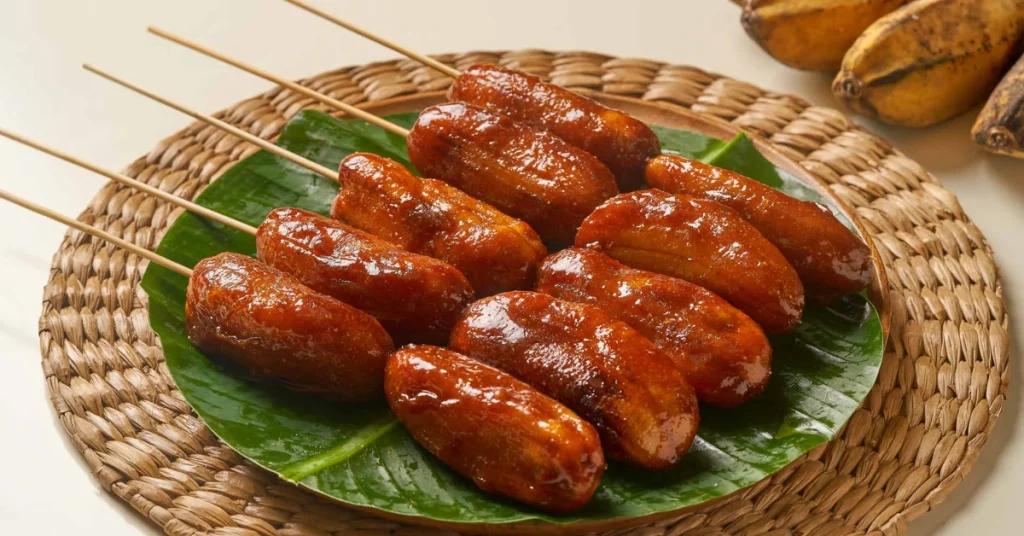
Filipinos love merienda, which makes snack-focused stalls another interesting opportunity.
You don't necessarily need to sell full meals. A small stall can specialize in affordable snacks that customers can grab between meals.
Popular options include:
- Turon
- Banana cue
- Camote cue
- Maruya
- Lumpia
- Puto
- Cheese bread
- Filipino-style noodles
- Fried snacks
- Kakanin
You can also combine snacks with drinks.
For example:
Turon + iced coffee
Lumpia + soft drink
Puto + hot coffee
These combinations can increase your average transaction without making the menu complicated.
Where Can a Merienda Stall Work?
This type of stall can work particularly well near:
- Schools
- Offices
- Public markets
- Transportation areas
- Food parks
- Residential communities
- Shopping areas
Timing is important too.
A snack stall may experience different peaks throughout the day compared with a rice meal business. You might see strong demand during morning breaks, afternoon merienda, and after-school hours.
Understanding those patterns can help you prepare the right amount of food and reduce waste.
5. Filipino Dessert and Traditional Sweets Stall
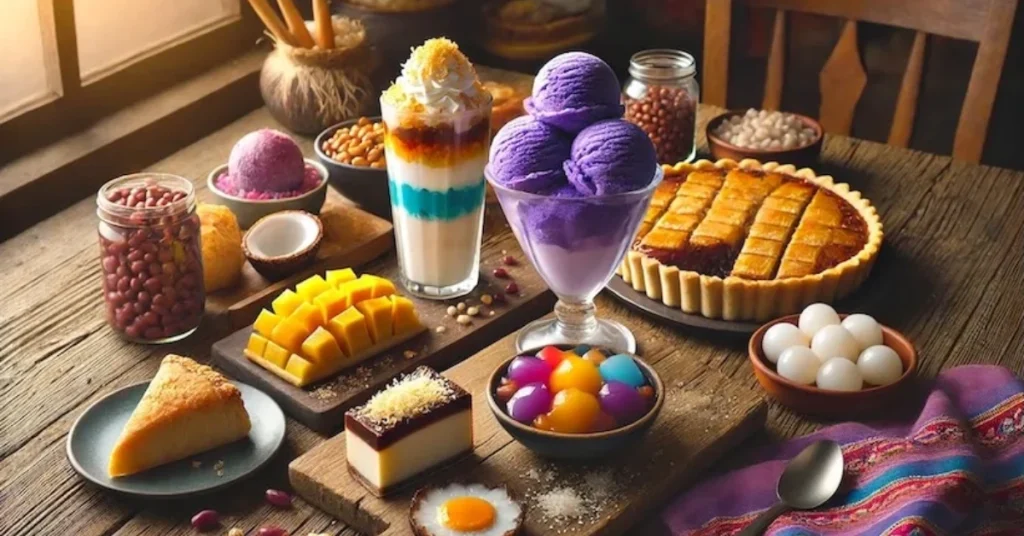
For something a little more visual, consider a Filipino dessert stall.
Traditional Filipino desserts can be turned into modern, attractive products while keeping their familiar flavors.
Some ideas include:
- Halo-halo
- Leche flan
- Mais con yelo
- Buko pandan
- Ube desserts
- Suman
- Filipino ice cream
- Banana-based desserts
- Shaved ice desserts
Desserts also give you plenty of room for presentation.
A colorful halo-halo, for example, is naturally attractive in photos and videos. A well-presented ube dessert can also become a social-media-friendly product.
Make Traditional Desserts Feel Modern
You don't necessarily need to completely reinvent Filipino desserts.
Instead, you can experiment with:
- Packaging
- Presentation
- Portion sizes
- Toppings
- Flavor combinations
- Combo meals
- Seasonal offerings
The goal is to give customers something familiar but still interesting enough to try.
If you are still looking for another business that will fit to your budget, learn more about Best negosyo this 2026.
Comparing the 5 Filipino Food Stall Ideas
| Food Stall | Startup Level | Target Market | Best Location |
| Filipino Street Food | Low | Students, commuters, general market | Markets, terminals, busy streets |
| Rice Meals | Medium | Workers, students, commuters | Offices, schools, commercial areas |
| BBQ & Grilled Food | Medium | Workers, families, commuters | Markets, food parks, commercial areas |
| Merienda & Snacks | Low–Medium | Students, workers, families | Schools, offices, markets |
| Desserts & Sweets | Low–Medium | Families, students, younger customers | Malls, food courts, food parks |
These are general comparisons rather than fixed investment categories. Your actual startup cost will depend on rent, equipment, permits, ingredients, stall size, branding, and the location you choose.
How Much Does It Cost to Start a Filipino Food Stall?
There isn't one universal amount.
A small street food setup can require significantly less capital than a mall-based kiosk with professional equipment and higher rent.
Some of the expenses you'll need to consider include:
Stall or Kiosk
Your biggest expense could be the location itself.
Rental requirements and deposits can vary significantly depending on whether you're operating in a public market, private commercial area, food park, or mall.
Learn more about what a self ordering kiosk is.
Equipment
Depending on your concept, you may need:
- Griller
- Fryer
- Rice cooker
- Refrigerator
- Freezer
- Cooking utensils
- Food containers
- Display equipment
- Work tables
Ingredients
Don't forget to budget for your initial inventory and recurring ingredient purchases.
Packaging
Cups, food containers, paper bags, utensils, straws, and other packaging can add up quickly.
Permits and Registration
Make sure you understand the applicable business registration, local permit, sanitation, and tax requirements before opening.
POS System
A POS system is another investment worth considering, especially if you expect a high volume of transactions.
Learn more about Best POS Software in the Philippines.
Why a POS System Matters for a Food Stall
When you're starting small, you might think you can simply use a calculator or notebook to track sales.
And technically, you can.
But once the number of transactions starts increasing, manual tracking becomes harder.
Imagine you're selling 300 orders in a day.
You need to know:
- How much did you sell?
- Which products sold the most?
- What time was busiest?
- How much inventory was used?
- Which items are running low?
- How much cash should be in the drawer?
- How did today's sales compare with yesterday?
That's where a POS system becomes useful.
Faster Transactions
A POS can make ordering and payment more organized, particularly during peak periods.
This is important for food stalls because customers usually expect quick service.
Better Inventory Management
If you're selling food, inventory isn't just about finished products.
You're also dealing with ingredients.
For example, if your best-selling item is pork barbecue, you need to keep track of meat, marinade ingredients, skewers, rice, sauces, packaging, and other supplies.
Better inventory tracking can help reduce unexpected stockouts and unnecessary waste.
Sales Reports
Sales reports can tell you which products are actually making money.
You may think your most popular product is your best product, only to discover that another item has better margins.
That's why business decisions shouldn't always be based on guesses.
Why Consider Divergent POS for a Filipino Food Stall?
As your food stall grows, managing sales manually can become increasingly difficult.
Divergent POS provides POS solutions designed to help Philippine businesses manage everyday operations, including sales, inventory, reporting, employee management, and other business processes.
For a growing food business, having these tools in one system can make it easier to monitor what's happening in the business.
For example, instead of simply asking, "Did we make good sales today?" you can look at your sales data and ask better questions:
- Which product sells the most?
- What are our busiest hours?
- Which items should we promote?
- Which products aren't selling?
- How much inventory do we need?
- How is one location performing compared with another?
That information becomes increasingly valuable when you eventually move from one stall to multiple locations.
Tips to Make Your Filipino Food Stall More Profitable
Starting a stall is one thing. Keeping it profitable is another.
Here are a few practical tips.
1. Know Your Food Cost
Don't price your products based only on what competitors charge.
Calculate your actual cost per serving.
Include ingredients, packaging, sauces, cooking costs, and other relevant expenses.
2. Watch Food Waste
Food that gets thrown away is money lost.
Track which products sell quickly and which ones regularly remain unsold.
Use that information to improve your preparation quantities.
3. Create Combos
Combos can make ordering easier while increasing the average transaction value.
A simple meal combination can often be more attractive than asking customers to choose every item separately.
4. Have a Signature Product
Give customers a reason to remember your stall.
It could be:
- A special sauce
- A unique marinade
- A signature rice meal
- A unique dessert topping
- A special drink
You don't need to reinvent Filipino food. Sometimes a small twist is enough.
5. Keep Your Stall Clean
Cleanliness isn't optional in the food business.
Customers notice how food is handled, how your stall looks, and how employees maintain hygiene.
A clean stall also creates confidence in your brand.
Common Mistakes New Food Stall Owners Make
One of the biggest mistakes is choosing a product simply because it is trending.
A trend can help attract customers, but it doesn't automatically create a sustainable business.
Other common mistakes include:
- Choosing a location without researching foot traffic
- Offering too many products
- Forgetting to calculate food costs
- Underpricing products
- Buying too much inventory
- Ignoring food waste
- Inconsistent food quality
- Poor customer service
- Not tracking daily sales
- Expanding before the first location is stable
The goal shouldn't simply be to open a stall.
The goal is to build a business that can operate consistently and eventually grow.
Final Thoughts
There are plenty of Filipino food stall opportunities in the Philippines in 2026.
Whether you choose street food, rice meals, Filipino barbecue, merienda snacks, or traditional desserts, the fundamentals remain the same: choose the right location, understand your customers, control your costs, maintain quality, and provide fast and friendly service.
The foodservice environment continues to offer opportunities for entrepreneurs, while food carts and stalls remain attractive because they can provide affordable and convenient food in high-traffic areas.
You also don't have to start with a huge menu or expensive setup.
Start with a concept you understand. Test your products. Listen to customers. Track your numbers. Then improve and expand when the business is ready.
And as your food stall grows, don't overlook the importance of technology. A reliable POS system can help you move beyond simply taking orders and start understanding the numbers behind your business.
If you're planning to start or grow a Filipino food business, Divergent POS can help you manage sales, inventory, reporting, and daily operations in one system.
Sometimes, the difference between a small food stall and a growing food business isn't just the food, it's how well you manage the business behind it.
Ready to improve your food business? Book a free demo with Divergent POS and see how a modern POS system can help you manage sales, inventory, and your growing business more efficiently.
