
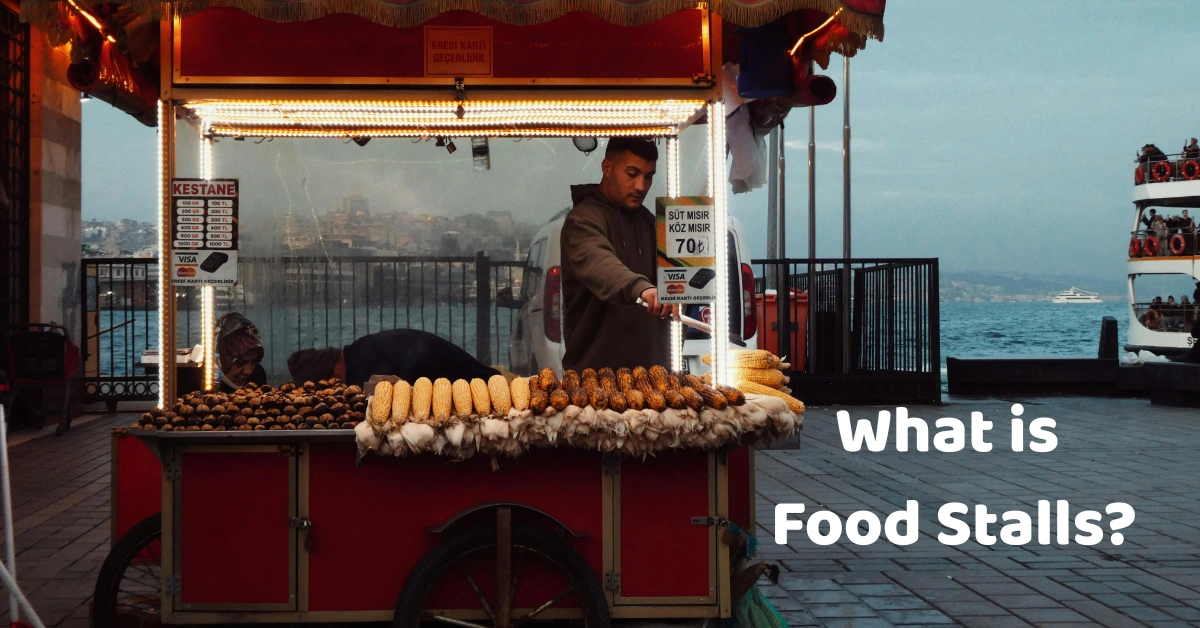
If you've ever walked through a mall food court, public market, school area, or busy commercial street in the Philippines, you've probably seen a food stall.
Maybe it's a milk tea booth with a long line of students. Maybe it's a small stall selling burgers, fried chicken, or rice meals. Or perhaps it's a simple setup serving Filipino snacks that customers can grab on their way home.
Food stalls may look simple, but behind a small counter is a real business that involves inventory, suppliers, employees, pricing, customer service, and daily sales management.
So, what is a food stall, and why is this business model so popular in the Philippines?
Let's take a closer look.
What Is a Food Stall?
A food stall is a small food business that operates from a designated booth, counter, or compact selling area. It typically sells prepared meals, snacks, or beverages to customers.
Under the Philippine Department of Health's sanitation rules, a food stall is described as a permanently constructed food booth with partitions or dividers, food displays or showcases, and counters, with or without a kitchen. Food stalls commonly sell cooked meals or snack foods and are often found in fast-food areas of multipurpose establishments. (eLibrary)
Unlike a traditional restaurant, a food stall usually has a much smaller operating space and a more focused menu.
For example, instead of offering dozens of dishes, a food stall might specialize in:
- Burgers
- Fried chicken
- Rice meals
- Milk tea
- Coffee
- Fruit shakes
- Waffles
- Takoyaki
- Shawarma
- Filipino snacks
- Ice cream
- Pizza
- Sandwiches
The goal is usually simple: serve a specific product quickly, conveniently, and consistently.
Why Are Food Stalls Popular in the Philippines?
Food stalls have become a familiar part of everyday life in the Philippines.
You can find them in malls, markets, schools, office areas, transport terminals, commercial centers, and other locations where people regularly pass by.
One reason is convenience.
Customers don't always want to sit down for a full restaurant meal. Sometimes they just want a quick snack, a drink, or an affordable meal before going back to work or school.
That's where food stalls come in.
Another reason is the relatively compact business model. A food stall doesn't require the same dining area, furniture, or large kitchen space that a full-service restaurant might need.
This doesn't mean starting a food stall is automatically cheap or easy. Location, rent, equipment, ingredients, permits, staffing, and marketing can still add up quickly. But the smaller format can make it an attractive option for entrepreneurs who want to enter the food business.
What Are Common Types of Food Stalls?
There isn't just one type of food stall. The concept can be adapted to almost any type of food or beverage.
1. Filipino Food Stalls
These stalls focus on familiar Filipino meals and snacks.
Examples include:
- Silog meals
- Barbecue
- Fried chicken
- Lumpia
- Fish balls
- Kwek-kwek
- Siomai
- Filipino desserts
These businesses can work particularly well in areas with students, employees, commuters, and other customers looking for affordable meals.
Learn more about Best 5 Filipino Food Stalls in the Philippines.
2. Beverage Stalls
Beverage stalls are especially common in malls and commercial areas.
Popular examples include:
- Milk tea
- Coffee
- Fruit shakes
- Smoothies
- Fresh juices
- Lemonade
- Specialty drinks
A beverage-focused concept can be relatively simple operationally, but inventory control is still important. Ingredients such as milk, syrups, fruits, pearls, cups, and packaging need to be monitored carefully.
Learn more about Best 5 Beverage Stalls in the Philippines.
3. Fast-Food Stalls
Fast-food stalls focus on products that can be prepared and served quickly.
Examples include:
- Burgers
- Hotdogs
- Fried chicken
- French fries
- Pizza
- Sandwiches
Speed matters a lot for this type of business. During lunch or merienda, a long line can quickly form, so efficient order processing becomes important.
Learn more about Best 5 Fast-Food Stalls in the Philippines.
4. Snack Stalls
Snack stalls usually specialize in affordable, easy-to-carry food.
Some examples are:
- Waffles
- Nachos
- Popcorn
- Donuts
- Takoyaki
- Fries
- Crepes
- Pastries
These businesses often depend heavily on foot traffic and impulse purchases.
Learn more about Best 5 Snack Stalls in the Philippines.
5. Specialty Food Stalls
Some entrepreneurs choose a more specific concept.
For example, a stall might specialize in Korean food, Japanese snacks, desserts, healthy meals, or a particular regional cuisine.
A focused concept can make it easier to build a recognizable brand.
Learn more about Best Specialty Foods Stalls in the Philippines.
Food Stall vs. Food Cart vs. Food Kiosk
These terms are sometimes used interchangeably, but they aren't always exactly the same.
A food stall generally operates from a designated booth or selling area. A food cart is more mobile and can be moved from one location to another. Philippine sanitation regulations describe a food cart as a non-enclosed movable food stand, with or without wheels, that sells takeout food or drinks. (eLibrary)
A food kiosk is often a compact retail structure or booth, particularly in malls and commercial areas.
The exact terminology can vary depending on the location and business setup, so it's better to focus on how the business actually operates rather than the name alone.
How Does a Food Stall Business Work?
At first glance, running a food stall might seem straightforward:
Customer orders → staff prepares food → customer pays → order is served.
But there's much more happening behind the counter.
Menu Planning
A good food stall doesn't necessarily need a huge menu.
In fact, a smaller menu can make operations easier.
When you focus on a few products, you can:
- Simplify food preparation
- Reduce ingredient requirements
- Train employees faster
- Improve consistency
- Reduce waste
- Speed up service
For example, a burger stall might offer three or four main burger options rather than twenty.
The important thing is knowing what your customers actually want.
Inventory Management
Inventory is one of the areas that can make or break a food business.
A food stall may need to track ingredients such as:
- Meat
- Rice
- Vegetables
- Sauces
- Cooking oil
- Bread
- Cheese
- Drinks
- Packaging
- Cups
- Straws
- Takeout containers
Food products can also spoil, which makes inventory management even more important.
If you order too much, you may end up throwing products away. If you order too little, you could run out of your best-selling item during peak hours.
Order Processing
Imagine a lunch rush where ten customers arrive within a few minutes.
If orders are written incorrectly or staff members lose track of who's waiting for what, the line can become frustrating very quickly.
A simple and organized ordering process helps reduce these problems.
Sales Monitoring
Business owners also need to know how much they're selling.
Daily sales data can answer useful questions:
- Which product sells the most?
- What time is the busiest?
- Which items aren't selling?
- How much did we sell today?
- Are sales increasing or decreasing?
- Which employee processed the most transactions?
These numbers can help you make better business decisions.
How Much Does It Cost to Start a Food Stall?
There's no single amount that applies to every food stall.
Startup costs can vary significantly depending on the location, concept, equipment, menu, and business model.
Some of the expenses you may need to consider include:
Stall Rental
Rent can be one of the biggest expenses, particularly in malls and high-traffic commercial locations.
A cheaper location isn't always better, either.
A stall with low rent but very little foot traffic may generate fewer sales than a more expensive location with a strong customer base.
Equipment
Depending on your menu, you may need:
- Fryers
- Grills
- Refrigerators
- Freezers
- Blenders
- Rice cookers
- Cooking equipment
- Food preparation tables
- Storage containers
Ingredients
You'll need initial inventory before opening.
Don't forget packaging materials such as cups, bags, food containers, utensils, and napkins.
Permits and Registration
Food businesses must also consider applicable business registrations, local permits, sanitation requirements, and other regulations.
Requirements can vary depending on the location and type of food business. Philippine food safety rules also place responsibilities on food business operators, while certain food businesses such as restaurants, street food sales, and food kiosks may fall under local government oversight. (eLibrary)
It's a good idea to check with your local government unit before opening.
POS and Payment Equipment
A POS system can also become part of your startup investment.
Depending on your setup, this could include:
- POS terminal
- Tablet or computer
- Receipt printer
- Cash drawer
- Barcode scanner, if needed
- Payment devices
The right setup depends on the type and complexity of your food stall.
How to Start a Food Stall Business in the Philippines
If you're seriously considering opening one, here's a practical starting point.
Step 1: Choose Your Food Concept
Don't start by asking, "What food is popular?"
Instead, ask:
What can I sell consistently, profitably, and efficiently?
A product might be popular but difficult to prepare or expensive to produce.
Choose something that fits your skills, budget, location, and target customers.
Step 2: Research Your Market
Visit the area where you want to operate.
Observe:
- Customer traffic
- Competitors
- Prices
- Popular products
- Peak hours
- Customer demographics
Sometimes spending a few hours observing a location can tell you more than looking at numbers from a distance.
Step 3: Calculate Your Costs
Before setting your prices, understand your costs.
Include:
- Ingredients
- Packaging
- Rent
- Utilities
- Employee wages
- Equipment
- Marketing
- Permits
- POS and payment expenses
- Other operating costs
Then determine whether your expected selling price leaves enough room for profit.
Step 4: Find the Right Location
Location is extremely important for a food stall.
Consider areas such as:
- Malls
- Food courts
- Markets
- Schools
- Office districts
- Transport hubs
- Commercial buildings
- Residential communities
The best location depends on your target market.
A student-focused snack stall, for example, may perform differently near a university than inside an office building.
Step 5: Build Your Operations
Create a simple process for:
- Taking orders
- Receiving payments
- Preparing food
- Releasing orders
- Managing inventory
- Recording sales
- Cleaning and closing
The smoother these processes are, the easier it becomes to manage busy periods.
Learn more about How to start a business in the Philippines.
Why Does a Food Stall Need a POS System?
You might think a POS system is only necessary for large restaurants.
That's not necessarily the case.
Even a small food stall can benefit from organized sales and inventory tracking.
Faster Transactions
A POS system can help staff process orders quickly, especially during busy periods.
Better Sales Tracking
Instead of manually adding up sales at the end of the day, you can use transaction data to understand your performance.
Inventory Management
A POS can help monitor products and stock levels, making it easier to identify when supplies need to be replenished.
Know Your Best-Selling Products
Maybe your chicken rice meal sells three times more than your pasta.
Without sales data, you might not realize just how different the demand is.
With reports, you can identify your best-performing products and make better decisions about your menu.
Reduce Manual Errors
Manual recording can lead to mistakes.
A POS system can organize orders, payments, and sales records in one place.
Manage a Growing Business
A food stall might start with one location.
But if the concept becomes successful, you may eventually open another stall or branch.
Having a structured system from the beginning can make expansion easier.
Learn more about Best POS Software in the Philippines.
How Divergent POS Can Help Food Stalls
For Philippine food businesses looking to move beyond manual sales tracking, Divergent POS can provide a more organized way to manage daily operations.
A POS solution can help food stalls manage sales, inventory, reporting, employees, and other parts of the business from one system.
For example, a food stall owner can use POS data to understand which products are selling, monitor sales performance, and keep better track of inventory.
Divergent POS also supports different types of Philippine businesses, including restaurants, cafés, food businesses, retail stores, and other growing enterprises.
For a small food stall, the goal isn't simply to have the most complicated technology.
The goal is to have technology that makes everyday work easier.
Common Challenges of Running a Food Stall
Food stalls may have a smaller footprint than restaurants, but they still come with challenges.
High Competition
Customers have plenty of choices, particularly in malls and food courts.
Your food, pricing, branding, and service all need to give customers a reason to come back.
Rising Ingredient Costs
Ingredient prices can change.
You need to regularly review your costs and pricing to protect your margins.
Food Waste
Perishable ingredients can become expensive waste if they're not properly managed.
Long Queues
A successful food stall can suddenly become very busy.
If your ordering and preparation process isn't efficient, long queues can hurt the customer experience.
Staff Management
Even with only a few employees, responsibilities need to be clear.
Someone needs to handle orders, payments, preparation, cleaning, and inventory depending on the size of the operation.
What Makes a Food Stall Successful?
There isn't one formula that guarantees success, but several factors consistently matter.
Location brings customers in.
Good food gives them a reason to return.
Fair pricing makes the offer attractive.
Fast service keeps customers happy.
Good inventory management protects your margins.
And accurate sales data helps you understand what is actually happening in the business.
That's why running a food stall isn't just about cooking good food. It's also about running a business efficiently.
Is a Food Stall a Good Business in the Philippines?
A food stall can be a good business opportunity, particularly for entrepreneurs who have a clear concept, understand their target market, and choose their location carefully.
But it's important not to think of it as an easy business simply because the space is small.
A successful food stall still requires planning, capital, food safety practices, reliable suppliers, good customer service, and careful financial management.
The Philippine Statistics Authority also recognizes food-related selling through stalls and markets as part of the country's business classifications, including retail sales through stalls and markets and food-service activities involving market stalls. (Philippine Statistics Authority)
In other words, a food stall may be small physically, but it is still a real business that deserves proper systems.
Final Thoughts
So, what is a food stall?
Simply put, it's a compact food business that sells meals, snacks, or beverages from a designated booth, counter, or similar selling space.
Food stalls are popular because they can provide convenient and affordable food while allowing entrepreneurs to operate with a smaller footprint than a traditional restaurant.
But success depends on more than having a tasty product.
You need the right location, pricing, inventory, staff, customer service, and daily operations. As your sales grow, using a POS system can also help you keep track of transactions, inventory, and business performance.
If you're planning to start a food stall or improve an existing food business, Divergent POS can help you explore a more organized way to manage your daily operations.
Ready to improve your food business? Book a free demo with Divergent POS and see how a modern POS system can help you manage sales, inventory, and your growing business more efficiently.
