
Thinking about starting a retail business in the Philippines this 2026?
Retail can be a great place to start because you're selling products people already need, want, or enjoy buying. From neighborhood convenience stores and groceries to online shops, electronics stores, fashion businesses, and specialty retailers, there are plenty of directions you can take.
But here's something worth remembering: the best retail business isn't necessarily the most popular one.
A business that works extremely well for someone else may not work for you. Your available capital, location, experience, target customers, suppliers, and ability to manage the business all matter.
For example, opening a small convenience store in a residential neighborhood may make more sense than opening an expensive fashion boutique in the same area. Meanwhile, someone with strong knowledge of gadgets might have a better chance with an electronics or accessories store.
So, instead of simply asking, “Ano ang magandang retail business?”, it's better to ask:
“What retail business fits my market, budget, and skills?”
Let's explore some of the best retail business ideas for Filipinos in 2026.
Explore also Best Small Business Ideas in 2026.
What Is a Retail Business?
Before looking at specific ideas, let's quickly define retail.
A retail business sells products directly to consumers for personal or household use.
A retailer typically buys products from manufacturers, distributors, wholesalers, or suppliers and then sells them to customers at a markup.
Retail businesses can operate through:
- Physical stores
- Online stores
- Social media
- E-commerce marketplaces
- Pop-up shops
- Kiosks
- A combination of online and physical channels
This flexibility makes retail accessible to many different types of entrepreneurs.
What Makes a Good Retail Business in 2026?
Not every retail idea is automatically profitable. Before investing your money, look at a few important factors.
Consistent Customer Demand
Start with demand.
Ask yourself:
Do people actually need or regularly buy this product?
Everyday products such as food, household essentials, personal care products, and certain services tend to have recurring demand.
On the other hand, trend-based products can be profitable but may require faster inventory turnover and stronger marketing.
Reasonable Startup Capital
You need to consider more than the cost of opening the store.
Your budget may need to cover:
- Inventory
- Rent
- Renovation
- Shelving
- Equipment
- Business permits
- Employee salaries
- Utilities
- Marketing
- POS hardware and software
- Working capital
It's a common mistake to spend almost all your money getting the store ready and then realize you don't have enough cash to operate it.
Healthy Profit Margins
Revenue isn't the same as profit.
If your store sells ₱100,000 worth of products but your total expenses and product costs reach ₱90,000, you aren't making ₱100,000.
You're making ₱10,000 before considering any additional costs.
That's why you should understand your margins before deciding what products to sell.
Repeat Customers
Retail businesses can become much more sustainable when customers have a reason to come back.
Groceries, convenience stores, pet supplies, cosmetics, and other everyday products can naturally encourage repeat purchases.
Scalability
Think about what happens if your business succeeds.
Can you:
- Add more products?
- Sell online?
- Open another branch?
- Add delivery?
- Serve corporate customers?
- Expand into another city?
A scalable business gives you more options as you grow.
Best Retail Business Ideas for Filipinos in 2026
1. Grocery Store
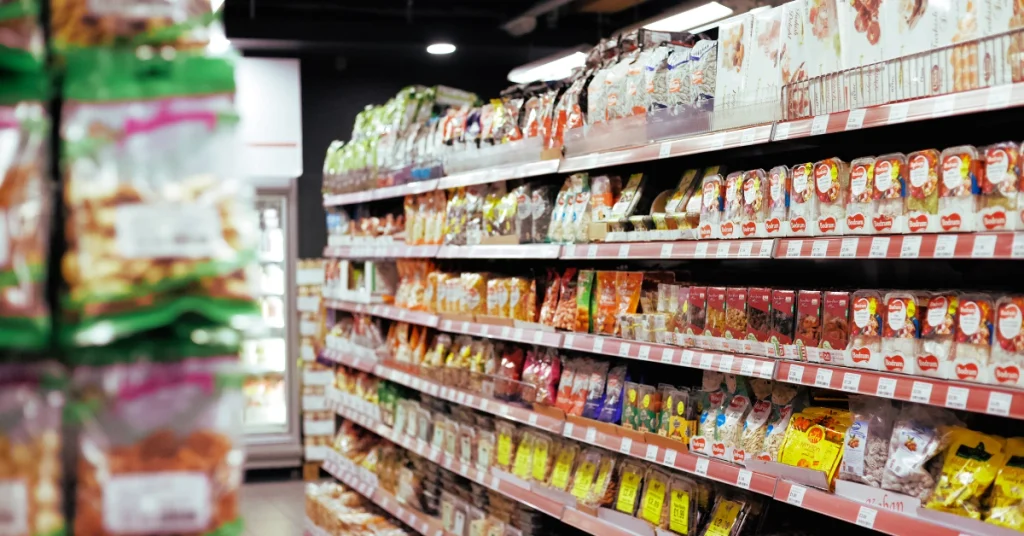
A grocery store is one of the most practical retail businesses because it sells products people regularly need.
You could sell:
- Rice
- Canned goods
- Snacks
- Beverages
- Frozen products
- Household supplies
- Personal care products
The biggest challenge is inventory management.
Even a relatively small grocery store can carry hundreds or thousands of products. If you're tracking everything manually, it can quickly become difficult to know exactly what is selling, what's running low, and what has been sitting on the shelf too long.
A reliable POS and inventory system can help make this process easier.
2. Convenience Store
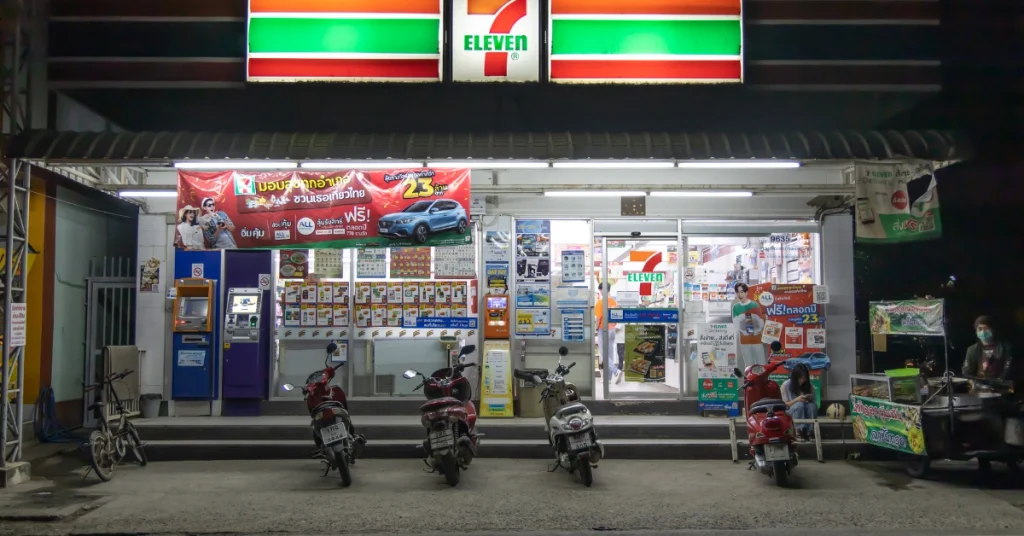
Convenience stores focus on accessibility and speed.
Customers aren't necessarily looking for the cheapest product. Often, they're paying for convenience.
A good location near residential communities, offices, schools, or transportation areas can be valuable.
Products can include:
- Snacks
- Drinks
- Ready-to-eat food
- Toiletries
- Household items
- Personal care products
Longer operating hours can also be an advantage, depending on your location and staffing.
3. Fashion and Apparel Store
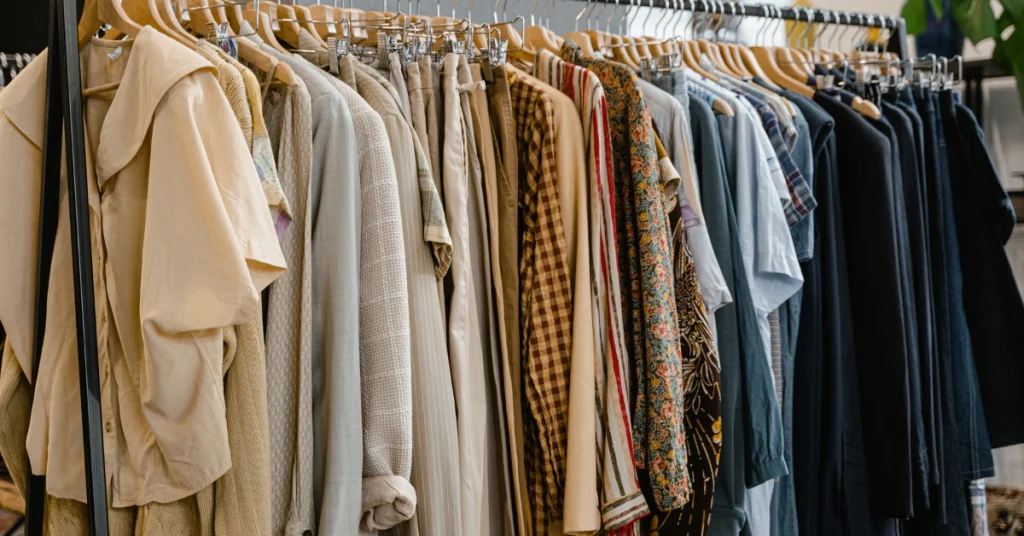
Fashion retail remains an attractive option for entrepreneurs who understand their target market.
You could specialize in:
- Women's clothing
- Men's clothing
- Children's clothing
- Streetwear
- Office wear
- Shoes
- Bags
- Accessories
One important challenge is product variation.
A single shirt might come in several sizes and colors. Once you have hundreds of products, keeping track of all those variations becomes difficult without proper inventory management.
Online selling can also complement a physical apparel store.
You can use social media to showcase new arrivals and direct customers to your store or online checkout.
4. Electronics and Gadget Store
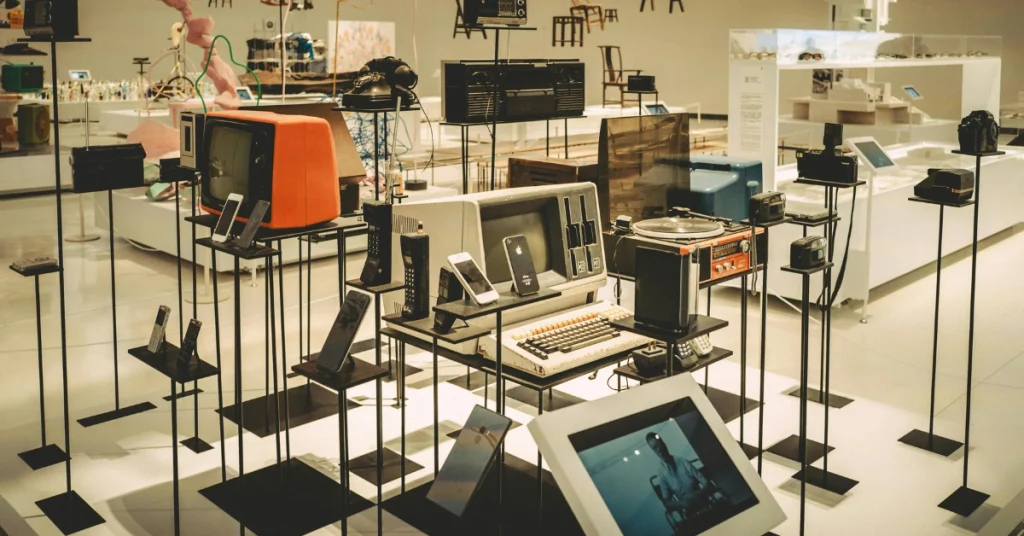
Electronics can be another interesting retail niche.
Products could include:
- Smartphones
- Headphones
- Chargers
- Cables
- Power banks
- Computer accessories
- Mobile accessories
You don't necessarily have to sell expensive devices.
A store specializing in accessories can operate with a different inventory strategy and target customers who regularly replace or upgrade their accessories.
Product authenticity, supplier relationships, warranties, and inventory security are particularly important in this category.
5. Appliance Store
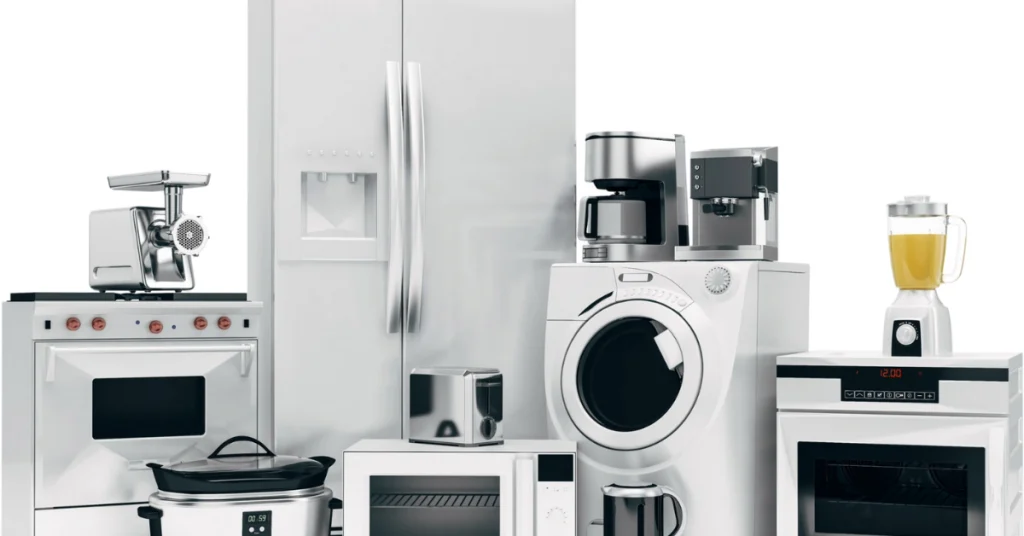
Appliances can provide higher-value transactions than many everyday retail products.
Possible products include:
- Refrigerators
- Washing machines
- Electric fans
- Rice cookers
- Microwaves
- Air conditioners
- Small kitchen appliances
Because these products can be expensive and have detailed specifications, accurate product records and reliable inventory tracking are important.
Delivery and after-sales service can also become a major part of the customer experience.
6. Jewelry and Accessories Store
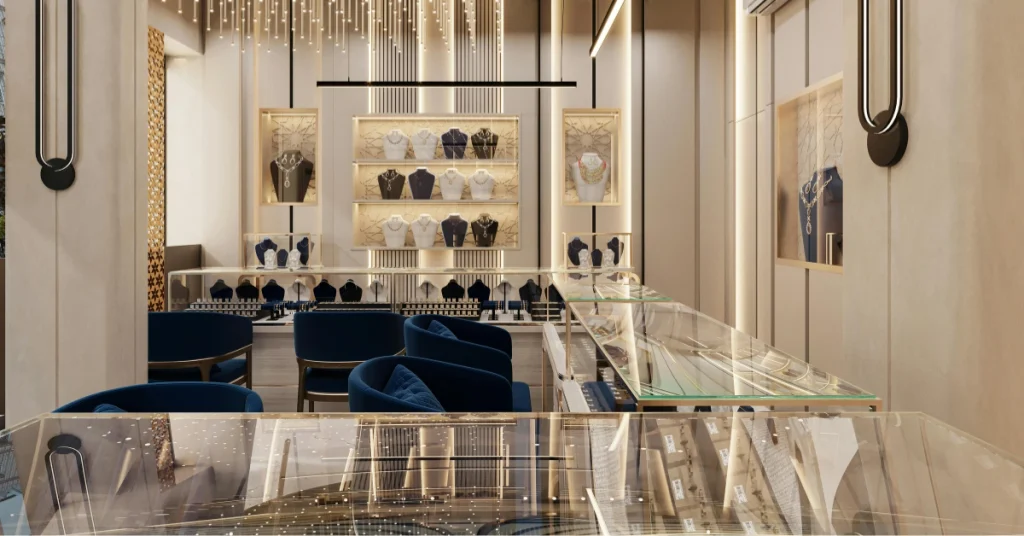
Jewelry can be an attractive niche for entrepreneurs who understand the market and can build customer trust.
You might sell:
- Gold jewelry
- Silver jewelry
- Fashion accessories
- Watches
- Personalized pieces
Inventory control is especially important because products can have significant value.
Customer trust also matters tremendously. Buyers want to know that the products are authentic, accurately described, and properly handled.
7. Beauty and Cosmetics Store
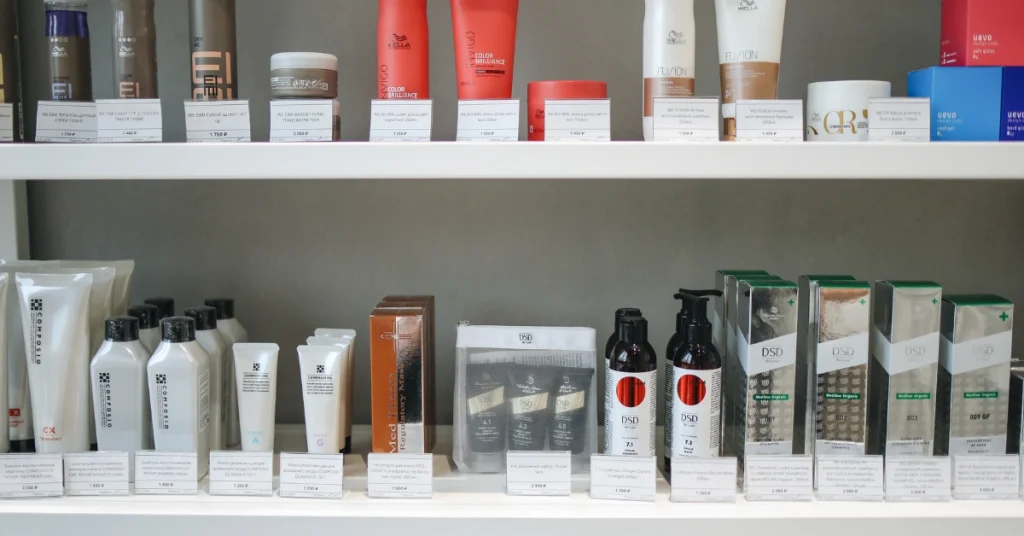
Beauty and personal care products are another retail opportunity.
You could sell:
- Skincare
- Makeup
- Hair care
- Personal care products
- Beauty accessories
This type of business can benefit from repeat purchases.
However, you also need to pay attention to product expiry dates, proper storage, product authenticity, and inventory turnover.
Selling through social media and e-commerce platforms can also help reach customers beyond your physical location.
8. Pharmacy and Health Products Store
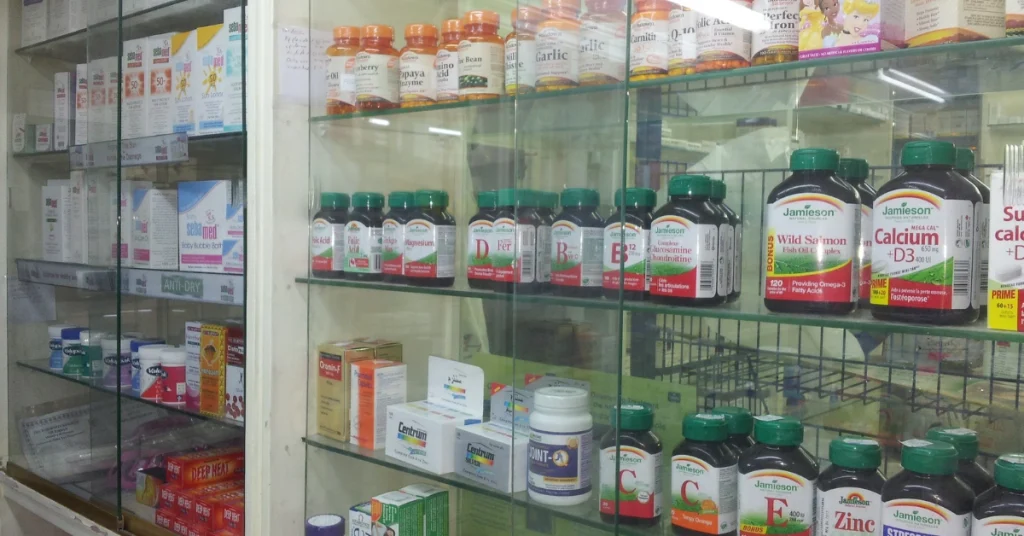
Pharmacies serve an important everyday need and can develop a strong base of returning customers.
A pharmacy may manage a large number of products, and inventory accuracy is extremely important.
Depending on the products being sold, businesses may need to monitor information such as:
- Expiration dates
- Batch numbers
- Product quantities
- Supplier information
Businesses in this category should also make sure they understand and follow applicable Philippine regulations and licensing requirements.
9. Pet Supply Store
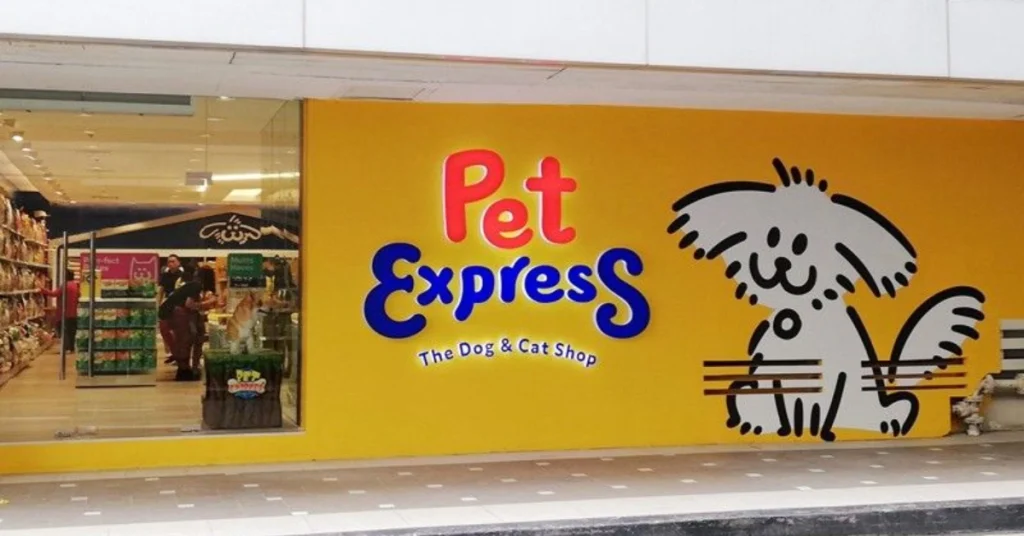
Filipino pet owners spend on more than just pet food.
A pet supply store can sell:
- Dog and cat food
- Treats
- Toys
- Collars
- Leashes
- Grooming products
- Beds
- Pet accessories
One advantage is the potential for repeat purchases, especially for food, treats, and consumable products.
You could also combine retail with services such as grooming, depending on your resources and applicable requirements.
10. Specialty Food Store
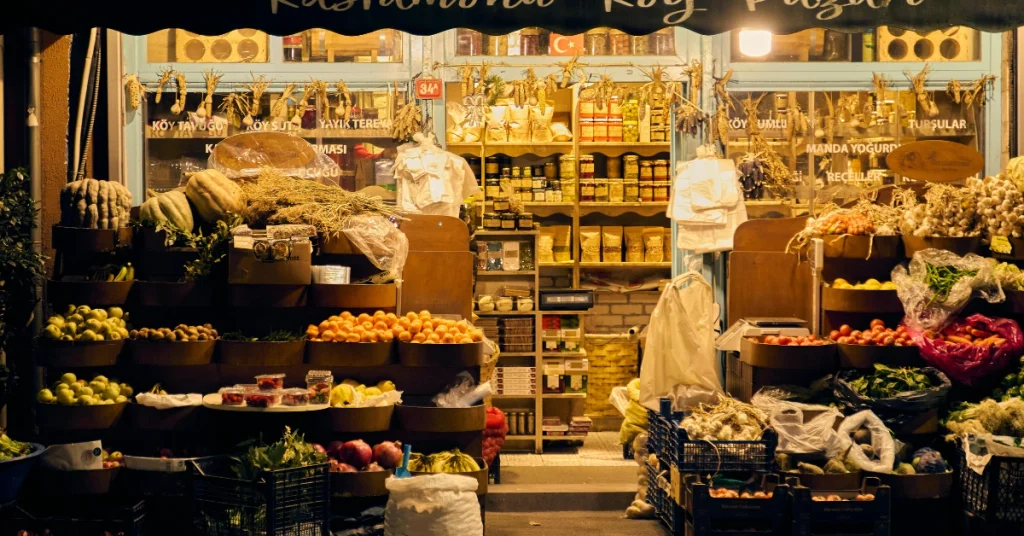
Instead of competing with a large grocery store, you can focus on a specific food niche.
Examples include:
- Imported snacks
- Local delicacies
- Organic products
- Specialty ingredients
- Premium coffee
- Frozen specialty products
The goal is to give customers a reason to visit your store because they can't easily find the same products elsewhere.
11. School and Office Supply Store
School and office supplies may not sound as exciting as gadgets or fashion, but they're practical.
Products can include:
- Notebooks
- Pens
- Paper
- Folders
- Printer supplies
- School materials
- Office accessories
Location can be particularly important.
A store near schools, universities, offices, or residential areas may have a more relevant customer base.
12. Hardware and Home Improvement Store

Hardware businesses can serve homeowners, contractors, repair workers, and businesses.
You could sell:
- Hand tools
- Electrical supplies
- Plumbing products
- Construction materials
- Paint supplies
- Home improvement products
The number of products can become substantial, making inventory organization essential.
13. Mobile Phone Accessories Store
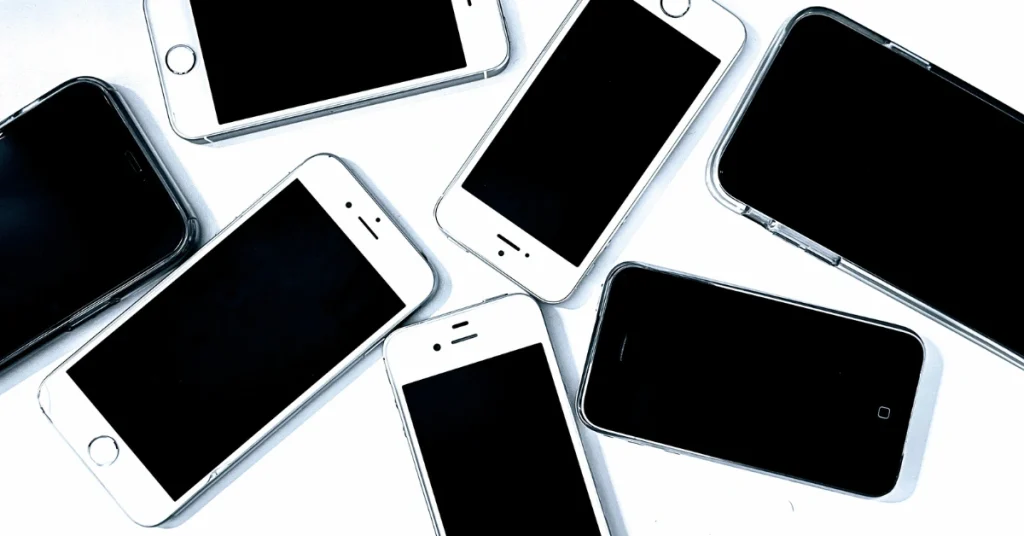
If you're looking for a more focused retail concept, mobile accessories can be worth exploring.
Products might include:
- Phone cases
- Screen protectors
- Chargers
- USB cables
- Power banks
- Earphones
- Phone holders
The key is product turnover.
Technology changes quickly, so carrying too much outdated inventory can become a problem.
14. Baby and Kids' Products Store
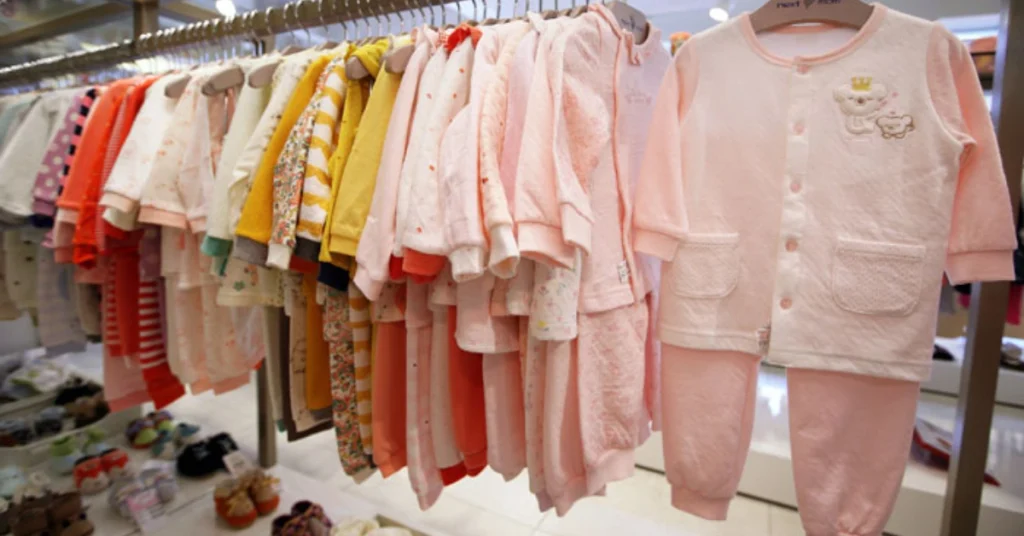
Parents regularly purchase products for growing children, creating opportunities in this market.
You could sell:
- Baby clothes
- Toys
- Feeding products
- Baby accessories
- School items
- Children's clothing
Trust is particularly important when selling products intended for babies and children.
15. Hobby, Gaming, and Collectibles Store
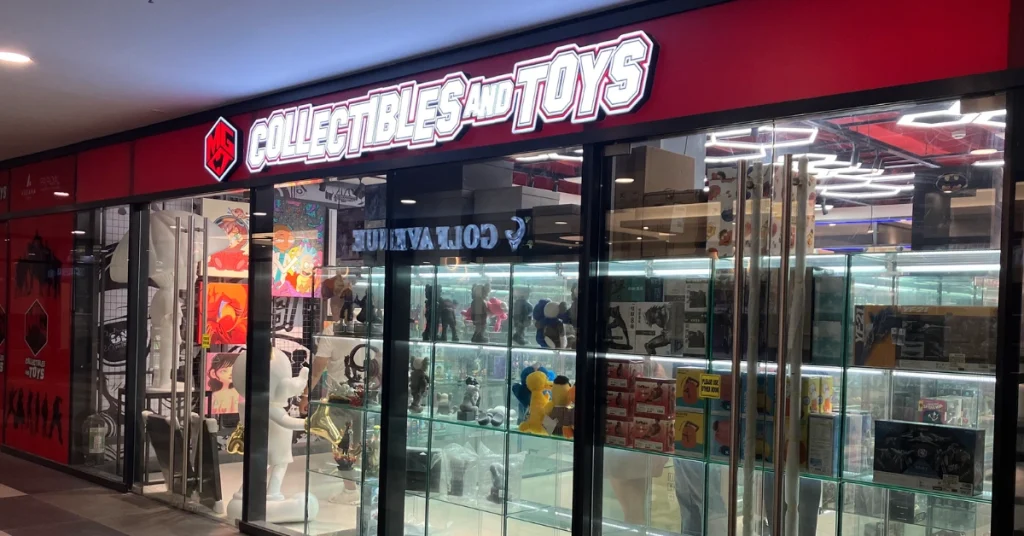
Niche retail businesses can work well when they serve a passionate community.
Possible products include:
- Trading cards
- Collectibles
- Gaming accessories
- Toys
- Hobby supplies
- Board games
Online communities and social media can be especially useful for marketing these products.
Physical Store vs. Online Retail
One of the biggest decisions you'll make is whether to operate online, offline, or both.
Physical Retail
A physical store allows customers to see, touch, and experience products before purchasing.
It can also help you build a local presence.
However, you'll have additional expenses such as rent, utilities, renovation, and store equipment.
Online Retail
Online businesses can potentially reach customers beyond your immediate location.
You can sell through:
- E-commerce marketplaces
- Social media
- Your own website
- Messaging platforms
However, online retail comes with its own challenges, including shipping, returns, customer inquiries, content creation, and competition.
Why Combine Both?
For many businesses, a hybrid approach can make sense.
For example, a physical clothing store can also sell through social media. A specialty food store can accept online orders. A gadget store can promote products online and allow customers to pick them up in-store.
The important thing is to keep your inventory and sales information organized across your channels.
How to Choose the Right Retail Business
Understand Your Customers
Don't start with the product.
Start with the customer.
Who are you selling to?
Students? Parents? Office workers? Pet owners? Homeowners? Business owners?
Once you understand the customer, you can make better decisions about your products and pricing.
Study Your Location
For physical retail, location matters.
Check:
- Foot traffic
- Nearby competitors
- Residential areas
- Schools
- Offices
- Parking
- Public transportation
- Accessibility
A low-rent location isn't necessarily a good location if almost nobody visits it.
Research Your Competitors
Visit competitors and observe how they operate.
Look at their prices, product selection, promotions, customer service, store layout, and online presence.
Then ask yourself:
What can my business do differently?
Find Reliable Suppliers
A supplier isn't just someone who gives you products.
Your supplier can directly affect your pricing, inventory availability, quality, and customer experience.
Compare:
- Wholesale prices
- Minimum order quantities
- Delivery times
- Product quality
- Return policies
- Payment terms
Common Retail Business Mistakes to Avoid
Buying Too Much Inventory
It can be tempting to fill your store with products.
But inventory that doesn't sell ties up your capital.
Start with products you have good reason to believe customers want.
Competing Only on Price
There will almost always be someone willing to sell cheaper.
Instead, compete through:
- Better service
- Convenience
- Product selection
- Quality
- Availability
- Customer experience
Ignoring Your Numbers
You should know your sales, costs, inventory, and profit.
Don't rely entirely on your memory.
Mixing Personal and Business Money
Keep your business finances separate from your personal finances whenever possible.
This makes it easier to understand whether your retail business is actually profitable.
Why a POS System Matters for Retail Businesses
As your store grows, managing everything manually becomes harder.
A POS system can help centralize important retail operations.
Depending on the system, you may be able to manage:
- Sales
- Inventory
- Products
- Employees
- Customers
- Payments
- Reports
- Multiple branches
For example, imagine you sell 50 different products today.
Instead of manually counting every sale and updating a spreadsheet at the end of the day, a POS system can record transactions and help keep your inventory information organized.
For larger stores, this can save significant time.
Learn more about what POS is.
How Divergent POS Can Help Retail Businesses
For Filipino entrepreneurs looking for a retail POS solution, Divergent POS provides tools designed to support different types of businesses.
It can support retail operations such as:
- Grocery stores
- Convenience stores
- Fashion and apparel stores
- Specialty stores
- Electronics businesses
- Appliance stores
- Jewelry stores
- Pharmacies
Features such as sales management, inventory management, reporting and analytics, employee management, customer management, multi-location management, and back-office tools can help businesses organize their daily operations.
The goal isn't to add unnecessary complexity.
It's to give business owners better visibility into what is actually happening in the store.
When you know which products are selling, which ones are slow-moving, and how each branch is performing, you can make decisions based on data instead of guesswork.
Steps to Start a Retail Business in the Philippines
If you've already chosen your business idea, here's a simple roadmap.
Step 1: Research the Market
Study customers, competitors, prices, and demand.
Step 2: Create a Business Plan
Write down your products, target customers, pricing, startup budget, monthly expenses, and marketing strategy.
Step 3: Prepare Your Capital
Don't forget working capital. Opening the store is only the beginning.
Step 4: Choose Your Location or Sales Channel
Decide whether you'll operate online, offline, or through a combination of both.
Step 5: Find Suppliers
Build relationships with reliable suppliers and compare your options.
Step 6: Register Your Business
Depending on your business structure and circumstances, you may need registrations and permits involving DTI or SEC, barangay and local government requirements, BIR registration, and other applicable licenses.
Step 7: Set Up Your Store and Systems
Prepare your shelving, inventory, payment methods, POS hardware, and other operational tools.
Step 8: Launch and Monitor
Once you're open, pay attention to the numbers.
Track:
- Daily sales
- Best-selling products
- Slow-moving products
- Inventory
- Expenses
- Customer feedback
Your first few months should be a learning period. Use the information you collect to improve your business.
Final Thoughts
There are plenty of retail business ideas for Filipinos in 2026, from grocery stores and convenience stores to fashion, electronics, appliances, beauty products, pet supplies, and specialty shops.
But don't choose a business simply because someone says it's profitable.
The better approach is to find the intersection between customer demand, your skills, available capital, location, and long-term goals.
Start with research. Keep your costs under control. Choose your suppliers carefully. Build relationships with your customers. And most importantly, track what is happening inside your business.
As your retail business grows, technology can help you manage that growth.
A reliable POS system can make it easier to track sales, manage inventory, monitor employees, and understand your business performance.
If you're planning to start a retail business or upgrade the system in your existing store, Divergent POS can help you explore a solution built for Philippine businesses.
Book a free demo with Divergent POS and see how a modern POS system can help you manage your retail business more efficiently.
