
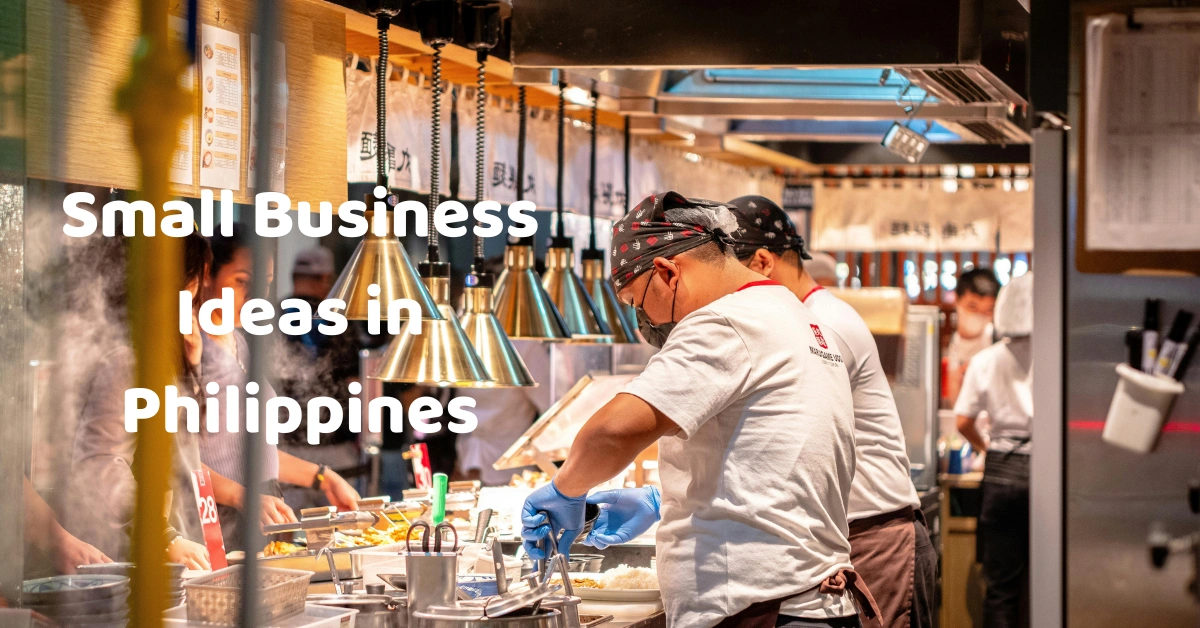
Starting a small business in the Philippines has always been an attractive way to earn income, build something of your own, and eventually create a long-term source of livelihood. In 2026, there are even more opportunities thanks to e-commerce, social media, digital payments, and business technology.
The good news is that you don't necessarily need millions of pesos to get started.
Some businesses can begin from home with relatively little capital, while others require a physical location, equipment, employees, and a larger investment. The important thing is finding an idea that matches your budget, skills, location, and target customers.
I've always found that the most practical business ideas aren't necessarily the trendiest ones. A simple business that solves a common problem can often be more sustainable than an exciting idea with no consistent demand.
So, if you're looking for the best small business ideas in the Philippines this 2026, here are some opportunities worth considering.
Why Start a Small Business in the Philippines in 2026?
There are several reasons entrepreneurship continues to attract Filipinos.
First, consumers are becoming more comfortable buying products and services online. Social media platforms and e-commerce marketplaces allow even small sellers to reach customers without opening a large physical store.
Digital payments are also making transactions more convenient. Customers can pay using cards, QR payments, e-wallets, and other digital methods depending on what the business supports.
At the same time, technology has made it easier for small businesses to manage their operations.
A business that once relied entirely on handwritten sales records can now use POS software, inventory systems, online accounting tools, and digital marketing platforms.
This doesn't mean every business needs expensive technology from day one. In fact, starting small and adding technology as the business grows can often be the smarter approach.
How to Choose the Right Small Business Idea
Before jumping into a business idea, take a step back and consider your situation.
Consider Your Starting Capital
Your available capital will immediately narrow down your options.
A digital marketing service, online selling business, or home-based food business may require relatively little capital.
A restaurant, laundry shop, or retail store can require significantly more.
Don't spend your entire savings on opening day. Keep enough working capital to cover your early operating expenses.
Consider Your Skills
Your existing skills can give you an advantage.
If you're good at cooking, a food business may make sense. If you're comfortable with computers, digital services or web development could be a better fit.
You don't have to know everything before starting, but having a useful skill can reduce your learning curve.
Research Your Market
Before investing, ask a simple question:
Who is going to buy this?
Look at your potential customers, competitors, pricing, location, and demand.
A business idea may sound profitable on paper, but if there aren't enough customers in your area, it can become difficult to sustain.
Think About Scalability
Consider where you want the business to be in three to five years.
Can you add employees?
Can you open another branch?
Can you sell online?
Can you serve customers outside your city?
Thinking about scalability early can help you avoid choosing a business model that becomes difficult to expand.
Best Small Business Ideas in the Philippines This 2026
There isn't one business that will work for everyone. Your ideal business depends on your capital, skills, location, and the needs of your target market.
Here are some of the business ideas worth considering in 2026.
1. Online Selling and E-Commerce
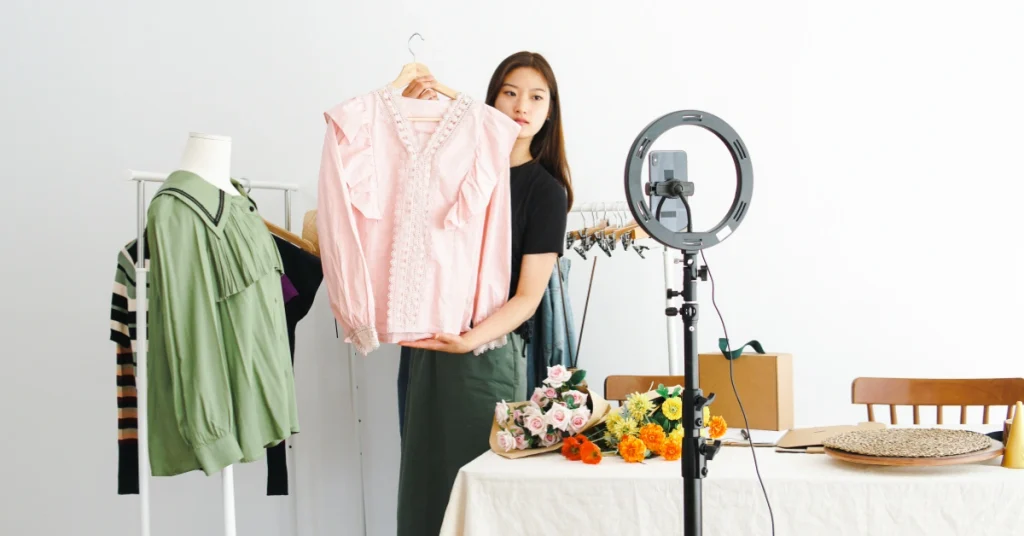
Online selling remains one of the most accessible business models for beginners.
You can sell through social media, online marketplaces, or your own website.
Potential products include:
- Clothing
- Accessories
- Beauty products
- Home products
- Food
- Specialty products
- Personalized items
- Hobby-related products
The advantage is that you can start relatively small.
Instead of purchasing hundreds of products immediately, you can test a few products first and see what customers actually want.
Once you identify your best sellers, you can increase inventory gradually.
If you're planning to operate an online business, it's also worth understanding the applicable registration and compliance requirements. The Department of Trade and Industry's E-Commerce FAQs provide useful information for entrepreneurs selling online.
As orders increase, you'll also need better ways to manage inventory, orders, payments, and customer information.
Best for: Beginners, resellers, social media sellers, and entrepreneurs who want an online-first business.
2. Food Business

Filipinos love food, which makes food businesses a popular option.
You don't necessarily need to open a full restaurant.
You could start with:
- Packed meals
- Food trays
- Snacks
- Desserts
- Baked goods
- Specialty dishes
- Takeout food
A home-based food business can be a good way to test demand before committing to a physical location.
The key is consistency.
Customers might try your food because of a Facebook post or recommendation, but they'll return because they enjoyed the food, service, price, and overall experience.
Best for: Entrepreneurs who enjoy cooking and have access to a strong local market.
3. Coffee Shop or Coffee Kiosk
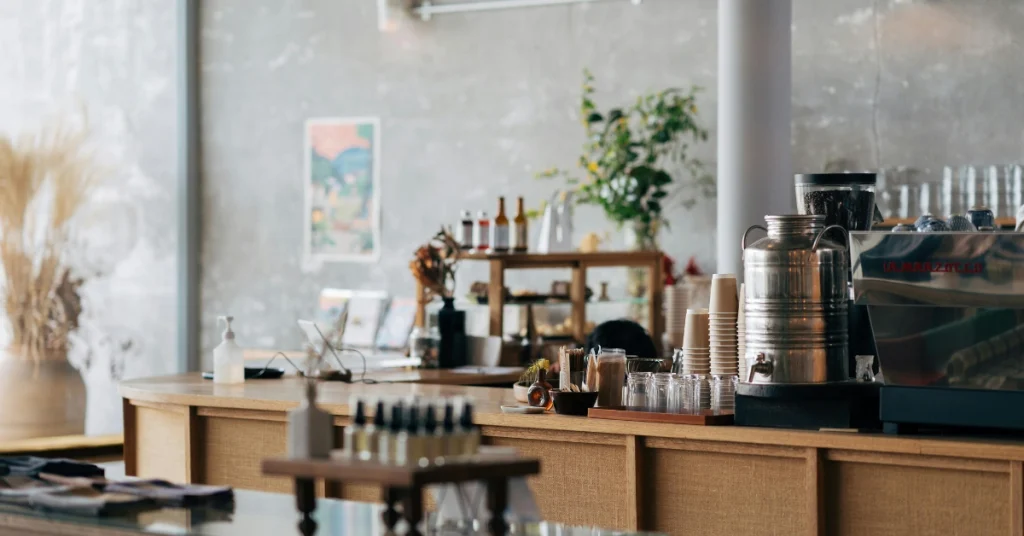
Coffee continues to be part of many Filipinos' daily routines.
You can choose from several business models:
- Small café
- Coffee kiosk
- Takeout coffee shop
- Mobile coffee business
- Café combined with another concept
Location is particularly important.
A great coffee shop in a location with little foot traffic can struggle, while a smaller concept in a busy area may perform much better.
Before investing heavily, study the people passing through your target location and understand what competitors are already offering.
Best for: Entrepreneurs with a good location, interest in food and beverage, and enough capital for equipment and operations.
4. Sari-Sari Store or Convenience Store
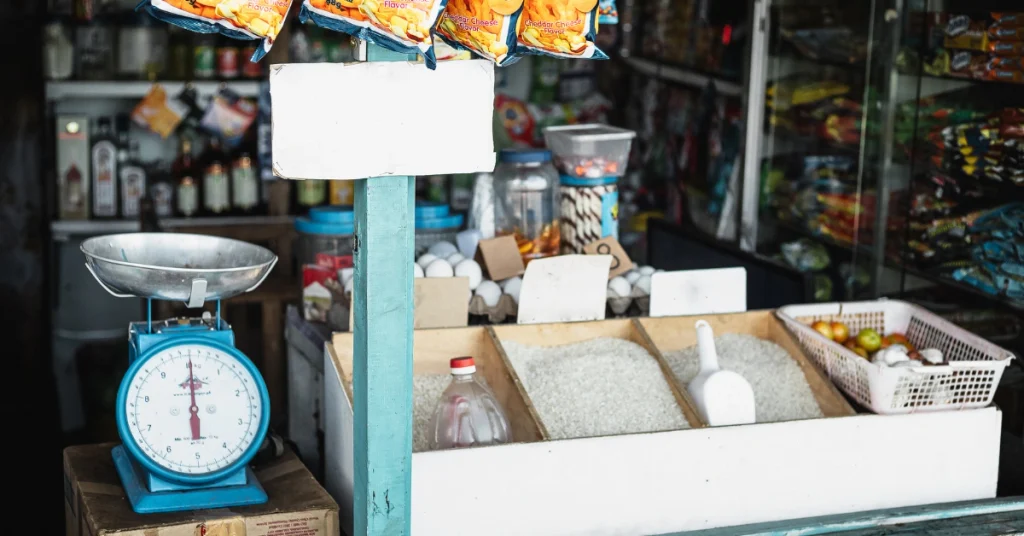
The sari-sari store remains one of the most recognizable small businesses in the Philippines.
The model works because it serves everyday needs within the community.
You can sell:
- Snacks
- Drinks
- Household products
- Personal-care products
- Basic groceries
- Mobile load
- Other frequently purchased items
As the store grows, inventory management becomes increasingly important.
It's easy to lose track of dozens or hundreds of small products when everything is recorded manually.
A POS system can help track sales and inventory and provide better visibility into which products are actually moving.
Best for: Entrepreneurs in residential communities and neighborhoods.
5. Laundry Business
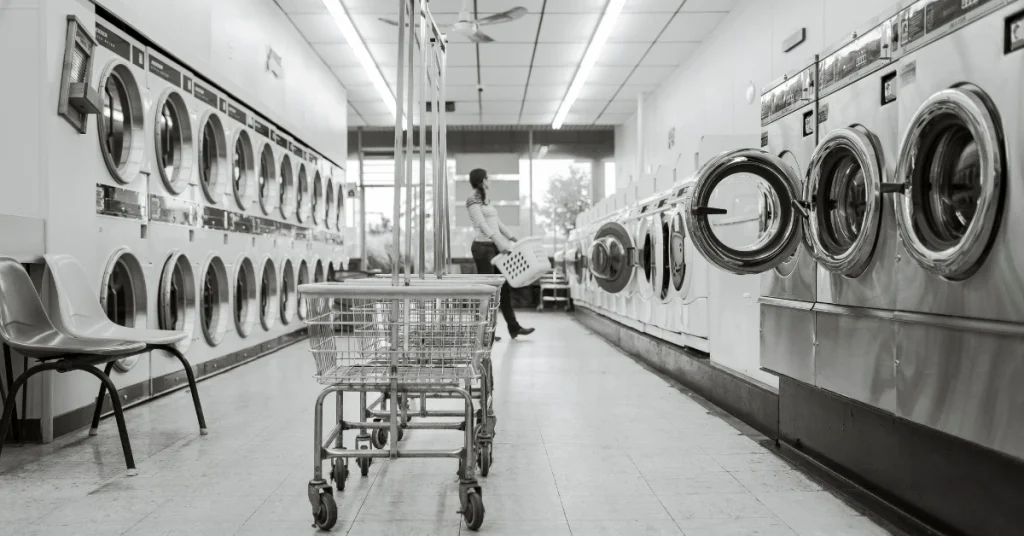
Laundry shops can benefit from recurring demand, particularly in densely populated communities and areas with students, renters, employees, and families.
Possible business models include:
- Self-service laundry
- Full-service laundry
- Wash-dry-fold
- Pickup and delivery
The major considerations include equipment, electricity, water, rent, staffing, and location.
Before opening, calculate how many customers you realistically need every day to cover your operating expenses.
Best for: Entrepreneurs with sufficient capital and access to a suitable location.
6. Printing and Customized Products
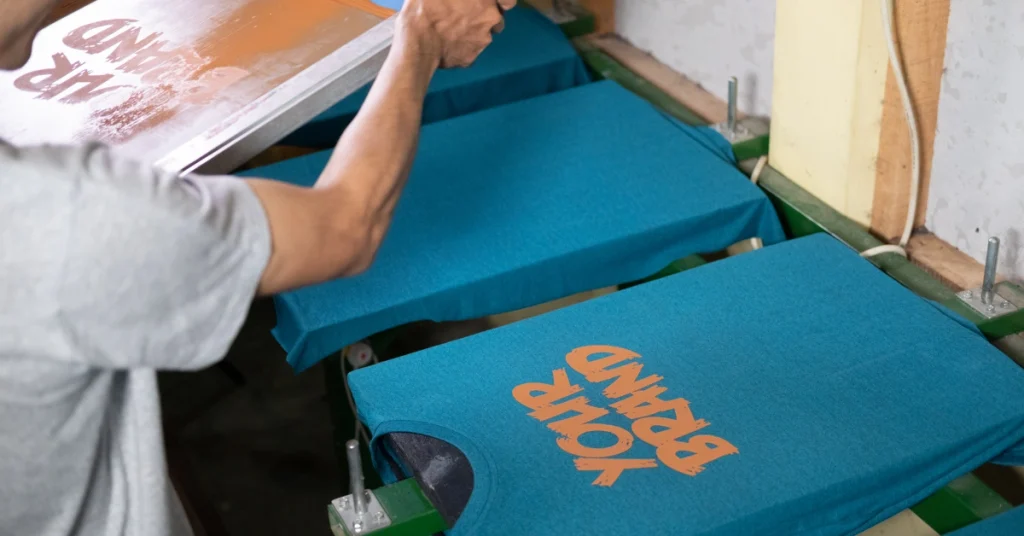
Customized products can be a good small business because customers often need them for personal events and business purposes.
You could offer:
- T-shirts
- Mugs
- Stickers
- Invitations
- Tarpaulins
- Labels
- Business cards
- Customized gifts
Social media can become an important marketing channel because customers can easily share customized products and recommend sellers.
You can also target schools, companies, organizations, birthdays, weddings, and other events.
7. Digital Marketing Services
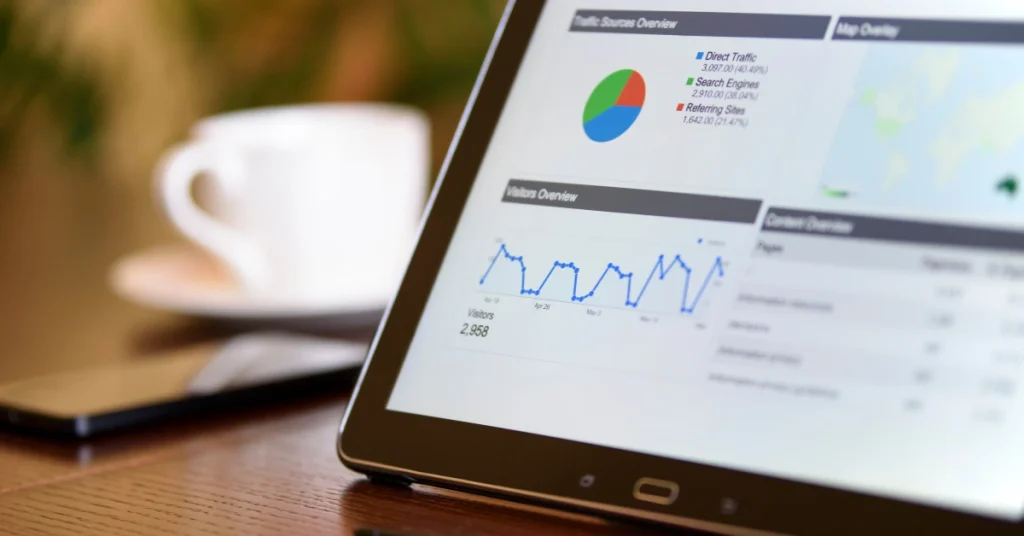
If you have digital skills, you can start a service-based business with much lower overhead than a traditional physical store.
Potential services include:
- SEO
- Social media management
- Content writing
- Website development
- Local SEO
- Paid advertising
- Graphic design
- Email marketing
One advantage of digital services is that you don't need to maintain physical inventory.
You can also serve clients outside your local area.
For someone who already has experience in digital marketing, this can be one of the most practical businesses to start.
8. Web Development and IT Services

Businesses increasingly need websites, e-commerce stores, maintenance, and technical support.
A web development business could provide:
- WordPress websites
- E-commerce websites
- Website maintenance
- Website redesign
- Hosting assistance
- Technical support
- Business automation
You can start as a freelancer and eventually build an agency by hiring additional developers and designers.
Best for: Developers, designers, IT professionals, and technically skilled entrepreneurs.
9. Beauty Salon or Barbershop

Personal grooming is another business category with recurring customers.
Depending on your concept, you could offer:
- Haircuts
- Hair styling
- Hair treatments
- Nail services
- Basic beauty services
- Grooming packages
Location and customer experience matter significantly.
A customer who finds a service provider they trust can become a repeat customer for years.
10. Online Tutoring and Educational Services

If you have expertise in a particular subject, tutoring can become a low-overhead business.
You could teach:
- English
- Mathematics
- Science
- Languages
- Music
- Computer skills
- Professional skills
Online tutoring also allows you to work with students outside your immediate area.
You can begin individually and later expand into a small tutoring agency.
11. Pet Care Business

Pet owners are willing to spend on services that make caring for their pets easier.
Possible businesses include:
- Pet grooming
- Pet sitting
- Pet boarding
- Pet walking
- Pet supplies
- Mobile grooming
The advantage of pet services is that satisfied customers can become repeat customers.
Trust is especially important, so good service and responsible handling of animals can become major competitive advantages.
12. Water Refilling Station

Water refilling stations continue to serve a basic and recurring need.
However, this business requires careful planning.
You need to consider:
- Location
- Equipment
- Water quality
- Delivery
- Utilities
- Maintenance
- Permits
- Competition
A delivery service can also help expand the customer base beyond people who physically visit the station.
13. Motorcycle Delivery and Courier Services

The continued growth of online shopping, food delivery, and local businesses creates opportunities for delivery services.
You could focus on:
- Local deliveries
- Business-to-customer delivery
- Documents
- Food
- Small packages
The main challenges include fuel, motorcycle maintenance, rider safety, and route efficiency.
14. Mobile Car Wash and Auto Detailing

A mobile car wash can provide services at customers' homes, offices, or other convenient locations.
Services could include:
- Exterior cleaning
- Interior cleaning
- Waxing
- Detailing
- Basic vehicle care
One advantage is that you don't necessarily need to maintain a large commercial location.
Your biggest assets can be your equipment, skills, transportation, and customer relationships.
15. Home-Based Baking Business
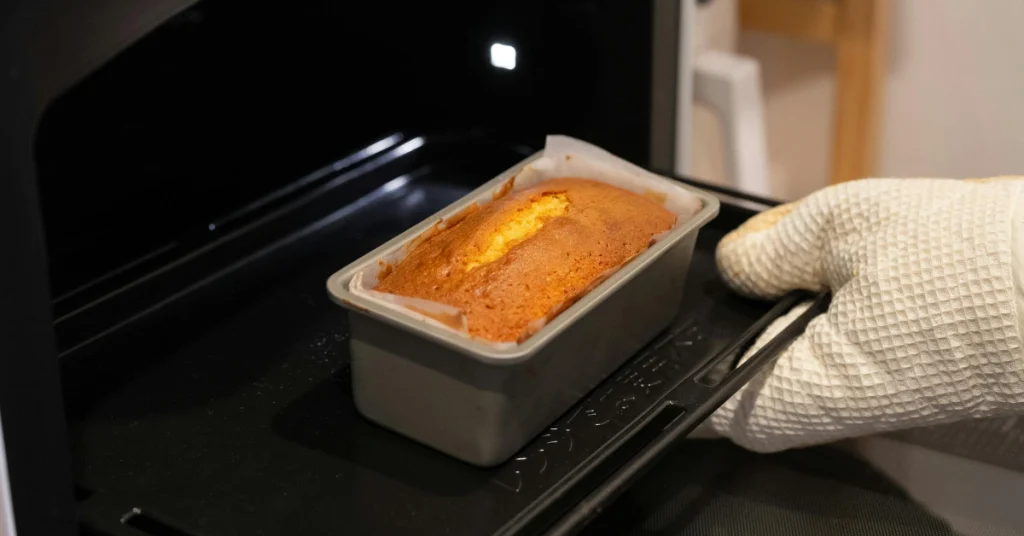
If baking is your strength, you can start from home and sell through social media.
Popular products may include:
- Cakes
- Cookies
- Brownies
- Cupcakes
- Pastries
- Customized desserts
Pre-orders can help reduce food waste and make production easier to manage.
As the customer base grows, you can eventually consider a dedicated kitchen, physical store, or larger production operation.
16. Repair and Maintenance Services
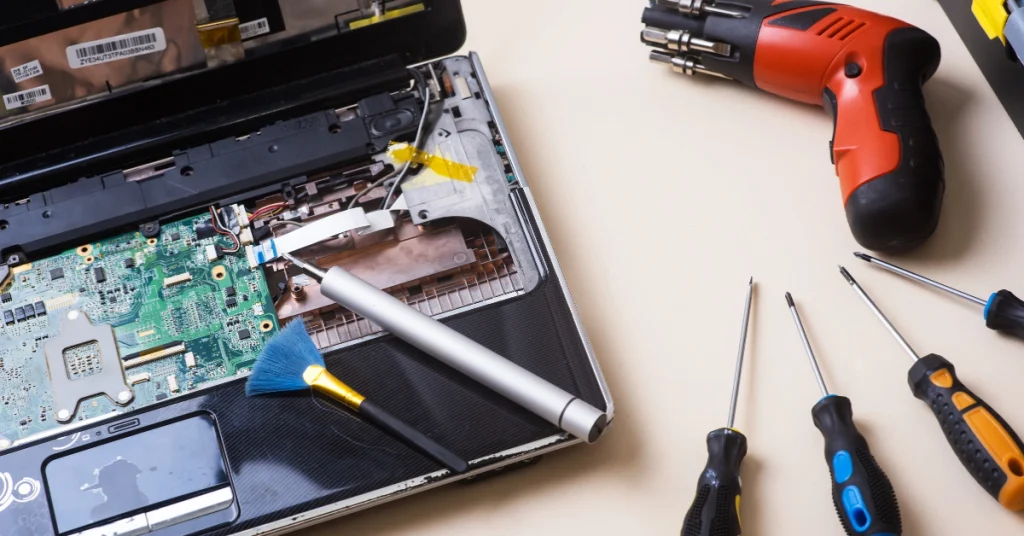
Repair businesses can be valuable because customers often prefer fixing something rather than immediately replacing it.
Possible services include:
- Appliance repair
- Electronics repair
- Computer repair
- Smartphone repair
- Air-conditioning services
- Equipment maintenance
Technical skill and trust are particularly important in this industry.
A good repair business can generate repeat customers and referrals.
17. Wholesale and Distribution
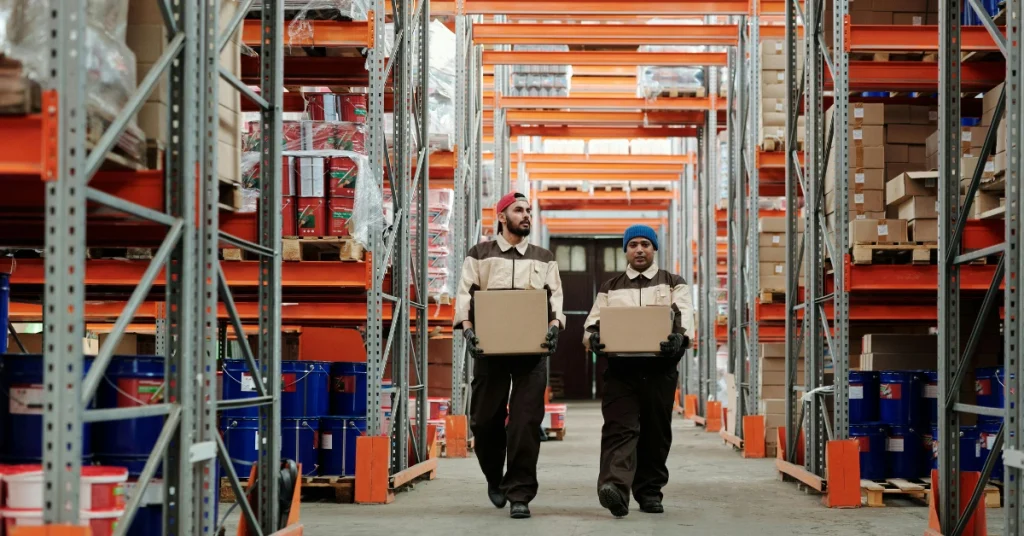
Instead of selling directly to consumers, you can supply products to smaller stores and businesses.
Potential products include:
- Food
- Beverages
- Household products
- Packaging materials
- Retail goods
This model can become highly scalable, but inventory and cash-flow management are critical.
You may have products sitting in stock while waiting for customers to pay, so careful financial planning is essential.
18. POS and Business Technology Services
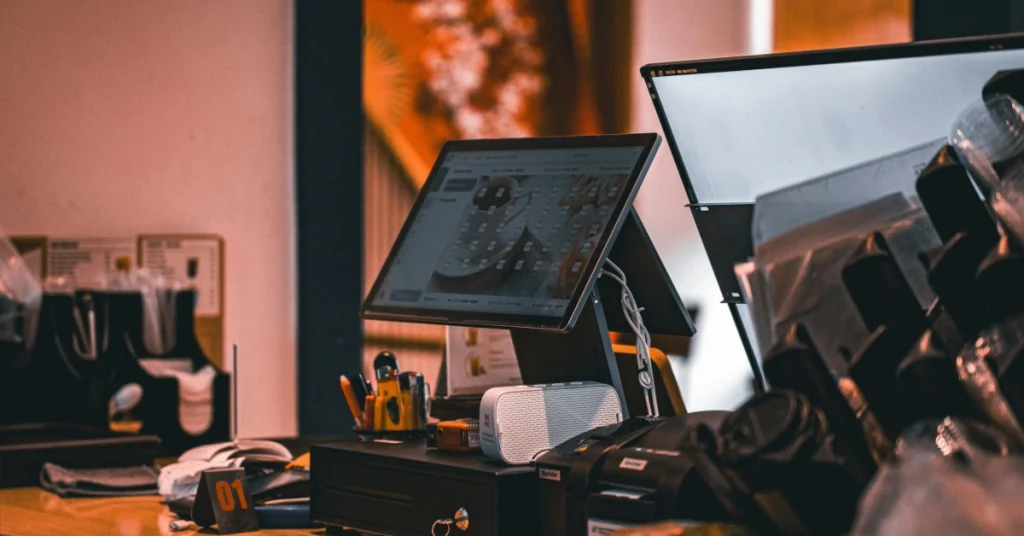
As more Philippine businesses adopt digital tools, there is also an opportunity to provide business technology solutions.
This can include:
- POS software
- POS hardware
- Inventory systems
- Business reporting
- Installation
- Employee training
- Technical support
For retailers, restaurants, cafés, pharmacies, grocery stores, and other businesses, a POS system can help bring sales and operational data together.
This is where companies such as Divergent POS can help businesses move away from purely manual processes.
Best Small Business Ideas Based on Capital
Here's a simple comparison of some of the ideas:
| Business Idea | Capital Level | Online Potential | Scalability |
| Digital Marketing | Low | High | High |
| Web Development | Low | High | High |
| Online Selling | Low | High | High |
| Online Tutoring | Low | High | Medium |
| Home-Based Food | Low–Medium | Medium | Medium |
| Printing Business | Medium | Medium | High |
| Café | Medium–High | Medium | High |
| Convenience Store | Medium | Low–Medium | Medium |
| Laundry Business | Medium–High | Medium | High |
| POS/Technology Services | Medium | High | High |
| Water Refilling | Medium–High | Low–Medium | Medium |
These are general categories rather than fixed startup costs. Actual capital requirements can vary significantly depending on your location, equipment, inventory, rent, staffing, permits, and business model.
Best Small Businesses You Can Start With Low Capital
If your budget is limited, you don't necessarily need to start with a physical store.
Consider:
- Online selling
- Freelancing
- Digital marketing
- Web development
- Online tutoring
- Social media management
- Home-based baking
- Customized products
- Pet services
- Reselling
The goal is to prove that customers are willing to pay before making a major investment.
For example, instead of renting a store immediately, an entrepreneur could start selling online, build a customer base, and then use the sales data to determine whether opening a physical location makes sense.
Best Small Businesses for Long-Term Growth
Some business models are easier to scale than others.
Businesses with recurring customers, repeat purchases, subscription models, or opportunities to add employees can have strong growth potential.
Examples include:
- E-commerce
- Food and beverage
- Laundry
- Distribution
- Digital marketing
- Web development
- Technology services
- Retail
- POS solutions
- Specialized service businesses
Scalability doesn't mean you have to open ten branches immediately.
It simply means you've built a business that can grow without becoming completely dependent on your personal time.
How Technology Can Help Small Businesses Grow
Technology isn't only for large companies anymore.
Even a small business can benefit from simple digital tools.
POS Systems
A POS system can help track:
- Sales
- Inventory
- Products
- Employees
- Discounts
- Reports
For businesses with many daily transactions, this can be much easier than relying entirely on notebooks or spreadsheets.
Online Payments
Offering convenient payment methods can make it easier for customers to complete purchases.
Social Media
Facebook, Instagram, TikTok, and other platforms can help small businesses promote products and communicate with customers.
E-Commerce
An online store can allow a business to sell beyond its immediate location.
Business Analytics
Sales data can help answer questions such as:
Which product sells the most?
What days are busiest?
Which branch performs better?
Which products aren't moving?
These answers can help business owners make decisions based on actual information rather than guesswork.
Why a POS System Matters for a Growing Small Business
A small business might be able to manage a few transactions manually.
But as the number of customers, products, and employees increases, manual tracking becomes harder.
Imagine a small retail shop that starts with 100 products. A notebook might work.
Then the store grows to 500 products, adds three employees, accepts multiple payment methods, and eventually opens another branch.
Suddenly, the notebook isn't enough.
A POS system can help organize sales and inventory while providing reports that make it easier to understand what's happening inside the business.
For businesses looking for a Philippine-focused solution, Divergent POS offers POS capabilities for industries including retail, restaurants, cafés, grocery stores, pharmacies, and other businesses.
Common Mistakes When Starting a Small Business
Starting Without Market Research
Don't assume customers will buy just because you like the product.
Talk to potential customers and study competitors.
Underestimating Operating Costs
Startup capital isn't just about buying equipment.
Consider:
- Rent
- Utilities
- Salaries
- Inventory
- Marketing
- Delivery
- Maintenance
- Taxes
- Software
Poor Cash Flow Management
A business can have strong sales and still experience cash-flow problems.
Track when money comes in and when expenses need to be paid.
Ignoring Customer Experience
A good product isn't enough.
Customers also remember your service, response time, cleanliness, reliability, and overall experience.
Mixing Personal and Business Money
Keep business finances separate from personal expenses as much as possible.
This makes it easier to understand whether the business is actually profitable.
Not Tracking Inventory
Inventory that disappears without being recorded can quietly reduce your profits.
As your product range grows, consider using proper inventory management tools.
Expanding Too Quickly
Opening another branch before proving that your first operation works can create unnecessary financial pressure.
Grow when the numbers support it.
Legal and Registration Considerations for Starting a Business in the Philippines
Before starting a business, make sure you understand the registrations, permits, and requirements that apply to your business.
Depending on your business structure, location, and industry, this can include business name registration, local permits, BIR registration, appropriate invoicing and recordkeeping, and industry-specific permits or licenses.
For sole proprietors, you can learn more about business name registration through the Department of Trade and Industry (DTI) and its Business Name Registration System.
You should also review the current requirements of the Bureau of Internal Revenue (BIR) for tax registration and compliance.
The BIR's Online Registration and Update System (ORUS) provides online registration and updating services for taxpayers.
Requirements can change, so don't rely on old articles or social media posts when completing your registration. Always check the latest information from the appropriate government agency or consult a qualified professional.
Businesses in regulated industries such as food, healthcare, and certain professional services may have additional requirements.
How to Start a Small Business in the Philippines
You don't need a 50-page business plan to get started.
Begin with the basics.
Step 1: Choose an Idea
Pick something that matches your skills, capital, and market opportunity.
Step 2: Research the Market
Study your potential customers and competitors.
Step 3: Create a Simple Business Plan
Define your products, pricing, customers, expenses, and marketing strategy.
Step 4: Calculate Your Startup Capital
Don't forget working capital.
Step 5: Complete the Necessary Registrations
Handle applicable registration and permit requirements before operating. For information about business registration and related government services, check the official Philippine Business Hub and relevant government agencies.
Step 6: Set Up Your Operations
Prepare your suppliers, equipment, location, employees, payment methods, and business systems.
Step 7: Start Marketing
Use social media, referrals, local SEO, promotions, partnerships, or other channels that make sense for your customers.
Step 8: Track Your Results
Monitor sales, expenses, inventory, customer feedback, and profitability.
The numbers will tell you what needs to change.
Frequently Asked Questions
What is the best small business to start in the Philippines in 2026?
There isn't one business that's best for everyone. Online selling, food businesses, digital services, retail, laundry, technology services, and specialized services can all provide opportunities depending on demand, capital, skills, and location.
What is the best business with low capital in the Philippines?
Digital services, online selling, tutoring, reselling, home-based food businesses, and customized products can be started with relatively low capital compared with many physical businesses.
What business can I start from home?
You can consider online selling, baking, digital marketing, web development, tutoring, customized products, content creation, and certain service-based businesses.
What business is good for beginners?
Beginners should generally consider businesses that are easy to understand, have manageable startup costs, and allow them to test demand before making a large investment.
What business can I start with ₱50,000?
Depending on your location and business model, you could consider online selling, home-based food, customized products, digital services, tutoring, or small-scale reselling.
What business can I start with ₱100,000?
A larger online selling operation, small food business, printing service, service-based business, or other small retail concept may be possible, depending on equipment, inventory, permits, and operating costs.
What businesses have recurring customers?
Laundry, food and beverage, salons, barbershops, pet care, convenience stores, repair services, and subscription-based digital services can benefit from repeat customers.
Does a small business need a POS system?
Not every small business needs a POS immediately. However, once transaction volume, inventory, employees, or locations increase, a POS can make sales and inventory management significantly easier.
How can technology help a small business?
Technology can help businesses automate sales tracking, manage inventory, accept digital payments, analyze performance, market products, and serve customers online.
What permits do I need to start a business in the Philippines?
Requirements depend on your business structure, location, and industry. Common considerations include business registration, local permits, BIR registration, and applicable industry-specific permits. Always verify current requirements with the appropriate government agencies.
Final Thoughts
Starting a small business in the Philippines in 2026 doesn't necessarily mean making a huge investment on day one.
The better approach is often to start with a real customer need, test your idea, control your expenses, and grow based on actual demand.
Whether you're considering online selling, a food business, a café, laundry shop, digital agency, retail store, or technology service, the fundamentals remain the same: know your customers, manage your money, provide good service, and keep improving.
And as your business grows, don't underestimate the value of technology.
Tools such as online payments, e-commerce platforms, digital marketing, inventory software, and POS systems can help you spend less time on manual tasks and more time growing the business.
If you're building a retail, restaurant, café, grocery, pharmacy, or other business in the Philippines, Divergent POS can help you manage sales, inventory, reporting, and other day-to-day operations with a POS solution designed for Philippine businesses.
Have a business idea in mind? Start small, do your research, and build from there. The goal isn't simply to open a business, it's to build one that customers want to keep coming back to.
This version keeps the outbound links natural and relevant, while the government links provide additional trust and useful resources for readers researching how to start a business in the Philippines.
