


Imagine you've just signed a lease, and the mall hands you a thick stack of house rules. You skim the sections on signage, deliveries, and opening hours. Tucked inside, though, is a short passage about your POS that quietly shapes how you'll report sales, what equipment you can use, and what happens when something breaks.
Most tenants don't read that passage until they have to. (This scene is hypothetical, but it's a common one.)
Here's the good news about Robinsons: unlike many malls, its tenant rules are public. That means we don't have to guess. In this guide, we'll walk through what the published rules say about POS, translate the jargon, and show where tenants most often get caught out.
What Robinsons Actually Publishes
Robinsons Land keeps its house rules on a tenant portal, which is helpful and unusual. You can see the portal at the Robinsons Tenant Portal, where the company says tenants should contact the Lease Department to register an account. The rules for one mall, a 2022 edition for Robinsons General Trias, are available as a PDF.
Before we go further, an important caveat. That document covers one mall and one year, and it refers to an older sales reporting policy dated June 2017. Robinsons has dozens of malls, and rules can differ by mall and by tenant type, such as food and non-food. So treat what follows as a guide to how Robinsons words this, and ask your own leasing contact for the version that applies to your lease.
With that in mind, here's what the rules say, in plain language.
Sales have to go through the approved machine
For tenants whose rent depends on their sales, the rules say they are required to faithfully register all sales into their PC-POS machine and to comply with the Accounting and Sales Audit Staff in reporting their daily sales. In other words, every sale goes through the machine, and the numbers get checked.
Only approved brands and types
The same document states that tenants are only allowed to use the accredited or approved brand and type of POS in their leased premises, and that all variable tenants must comply with the PC-POS requirement before starting operations. Two things stand out here: the requirement applies before you open, and it's about brand and type.
A separate BIR permit
The rules also list a separate "BIR Permit for PC-POS." That's a good reminder that mall requirements and tax requirements are two different layers, and you need to satisfy both.
The Vocabulary, Decoded
Rulebooks are full of terms that aren't obvious. Here's a quick glossary of the ones that matter, based on how they appear in the document. If you're unsure of any definition, confirm it with Robinsons.
- Percentage rental scheme. A lease arrangement where part of your rent depends on your sales.
- Variable tenants. Tenants whose rent varies with sales.
- PC-POS. The term the rules use for the approved POS machine.
- Z-reading. The end-of-day report printed from a register or POS.
- Accounting and Sales Audit Staff. The mall team that checks sales reports.
Once you know the terms, the rule is easier to follow: if your rent depends on your sales, the mall wants every sale recorded on an approved machine, and it wants to be able to check.
"Approved Brand and Type": What That Really Means
That phrase deserves a second look. It doesn't just say "approved POS." It says an approved brand and type. In practice, a vendor can be approved while a particular model or setup isn't.
So before you buy, ask for specifics:
- Which brand and type is approved? Get the names, not just a general assurance.
- Is it the exact system you're being sold? Not a similar one.
- What's the date of the approval, and is it current?
- Can you see it in writing?
Then check the answers with your leasing contact. You can read more about the separate tax side on our page about BIR POS accreditation.
What It Can Cost to Get It Wrong
Here's where it gets practical. The rulebook points to an annex of POS-related fees and penalties. The portion I could see comes from a Robinsons policy document dated June 2017, and it lists a fee for using a non-accredited PC-POS of Php1,000 per PC-POS per day, alongside items like additional percentage rent and surcharges.
Please treat that figure with caution. It's from 2017, it's a partial extract, and fees may have changed. Ask Robinsons for the current annex before you rely on any number. But the principle is clear: choosing a POS that isn't approved isn't a small mistake. It can cost real money every single day, and the cheapest machine is the one that's approved from the start.
The Downtime Playbook
Of everything in the rules, the part we find most useful is also the least glamorous: what to do when your POS breaks.
The document says that during a PC-POS breakdown, tenants must submit a hard copy of their daily sales supported by Z-readings, cash register tape, or a signed daily sales report, following the daily schedule of manual sales submission, and if the machine is repaired within the day, tenants may enter the manual receipts or invoices into it.
That's a rule, but it's also a plan. You don't want to be inventing a process while a line forms at your counter. Here's a simple downtime kit.
What to keep ready
- A supply of manual receipts or invoices, as permitted for your business.
- Printed Z-readings and register tapes for each day.
- A template for the signed daily sales report, so nobody has to design one in a hurry.
- A note of the manual submission schedule and who is responsible for it.
- Instructions for entering manual receipts once the machine is back up.
What to ask your vendor
- How quickly can a failed unit be repaired or replaced? Same day, next day, or longer?
- Is there a backup if a part fails?
- Who do I call, and when are they available? Evenings and weekends matter in a mall.
Suki Shoes, one of our retail clients, has been with us for almost a decade and says our customer service exceeds their expectations. When something goes wrong at the counter, that kind of support matters more than any feature list. You can browse typical POS hardware to see what's involved, and good POS software should keep recording sales and sync once it's back online.
Two Layers: Robinsons and the BIR
Mall approval and tax compliance are different things, and the house rules list them separately. Your POS needs to be approved by the mall, and it needs to produce receipts that meet BIR requirements. On top of that, the BIR's new e-invoicing rules may apply to your business.
Read our page on BIR updated e-invoicing, check the BIR's RMC No. 98-2026, and confirm current requirements with the Bureau of Internal Revenue.
A system can satisfy the mall and still fall short on tax, and the reverse is also true. Ask every provider about both.
Choosing a Vendor: The Proof Pack
When you're ready to shop, ask any provider, including us, for:
- The accreditation letter or listing, with dates and scope.
- The exact brand and type approved, and whether it matches what you're buying.
- Which malls and branches it covers. Robinsons is a big network.
- Who sets up the connection to the mall, and how long it usually takes.
- Repair and support times, especially evenings and weekends.
- A written quote that covers your first year. You can check pricing for how our plans are structured.
Then confirm everything with your Robinsons leasing contact. The mall has the final say.
Not Every Robinsons Mall Is the Same
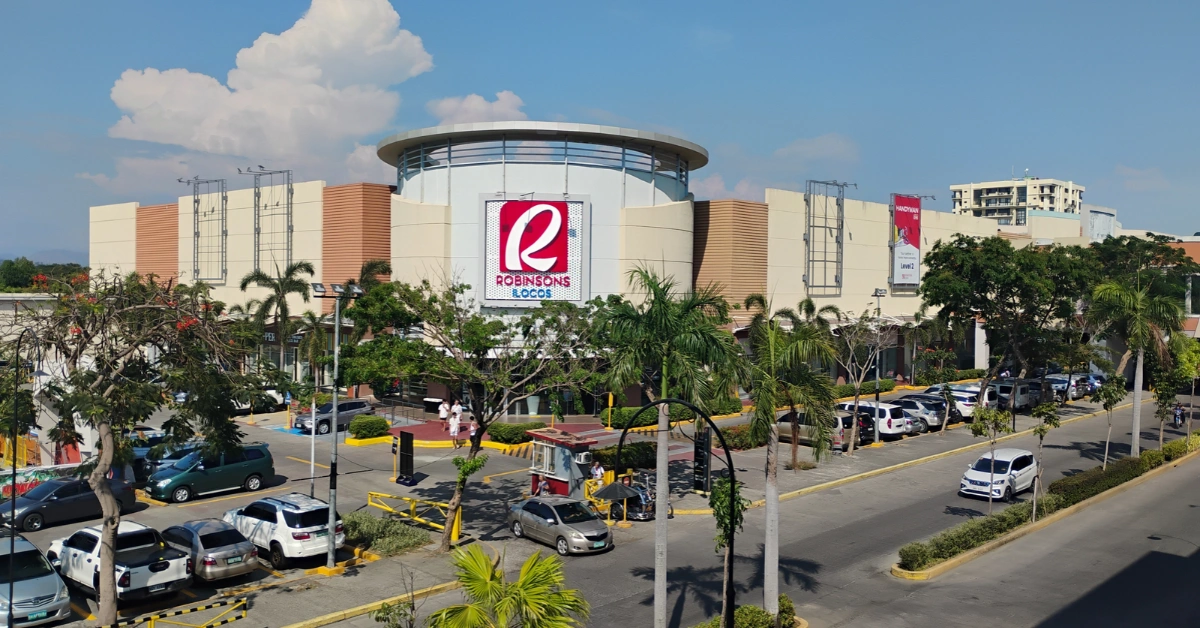
Robinsons Land is described as the second largest mall operator in the Philippines, and its malls opened over many years in many places, so details can differ. The house rules also come in separate versions for different tenant types. Before you assume anything, ask your leasing contact for the house rules and the sales reporting policy that apply to your lease, and ask for the current versions.
Where Divergent POS Fits
Divergent POS lists Robinsons among the accredited mall partners on our homepage, as part of a partial list that also includes SM, Ayala, Ortigas, Megaworld, and Rockwell. We've served Filipino businesses since 1997, and our systems come with hardware, software, installation, training, and support.
Whatever kind of counter you run, the same rulebook questions apply. A retail POS has to handle a wide range of products, a cafe POS a stream of quick orders, and a restaurant POS a full dining room, and each of them has to close the day properly. If you grow into more than one location, add-on POS modules can bring in inventory and multi-store tools.
Requirements differ by mall and tenant type, so we confirm the specifics with each tenant.
What Tenants Ask Us
Does my POS need to be accredited by Robinsons? Robinsons' published house rules say tenants may only use an accredited or approved brand and type, and that variable tenants must comply before starting operations. Details can differ by mall and lease, so ask your leasing contact for the version that applies to you.
Is Divergent POS accredited by Robinsons? Our homepage lists Robinsons among our accredited mall partners, as part of a partial list. Because requirements can differ by mall and tenant type, contact us and tell us where you're opening, and we'll confirm what's in place for your location.
What happens if my POS breaks down? According to the published rules, you submit your daily sales manually with supporting documents, such as Z-readings or a signed sales report, following the manual submission schedule. Prepare a downtime kit in advance, and ask your vendor how fast repairs happen.
Are the penalties in the house rules current? Don't assume so. The figures I could see come from a 2017 policy, so ask Robinsons for the current annex before you rely on any number.
The Bottom Line
Robinsons has done tenants a favor by publishing its rules. So use that. Read the passage on POS, ask for the current versions in writing, and choose a vendor who can show you exactly which brand and type is approved, and what they'll do when something breaks.
If you're opening in a Robinsons mall and want a straight answer about your setup, talk to the Divergent POS team and tell us which mall.
